
Introduction to Runhuabang Color Sand
In the realm of interior and exterior decoration, colored decorative sand has emerged as a versatile and sustainable solution. Runhuabang Color Sand, developed by Hebei Runhuabang New Material Technology Co., Ltd., is a prime example of how innovative materials can transform design aesthetics while prioritizing environmental responsibility. This article delves into the features, advantages, technical specifications, and applications of Runhuabang Color Sand, supported by authoritative references from the National Institute of Standards and Technology (NIST).
Core Features of Runhuabang Color Sand
Runhuabang Color Sand is engineered to meet the demands of modern design and construction. Key features include:
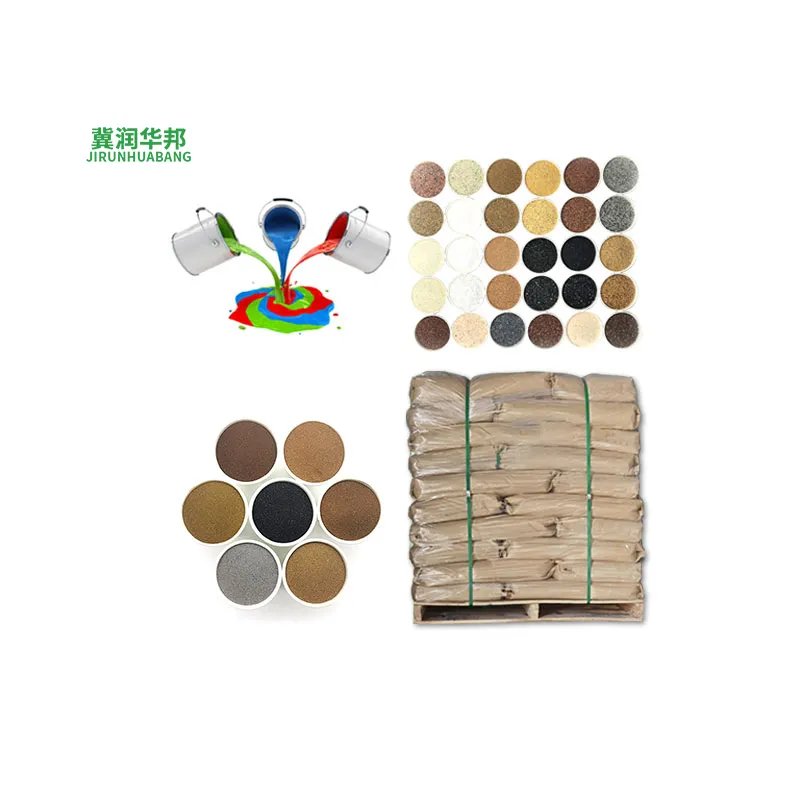
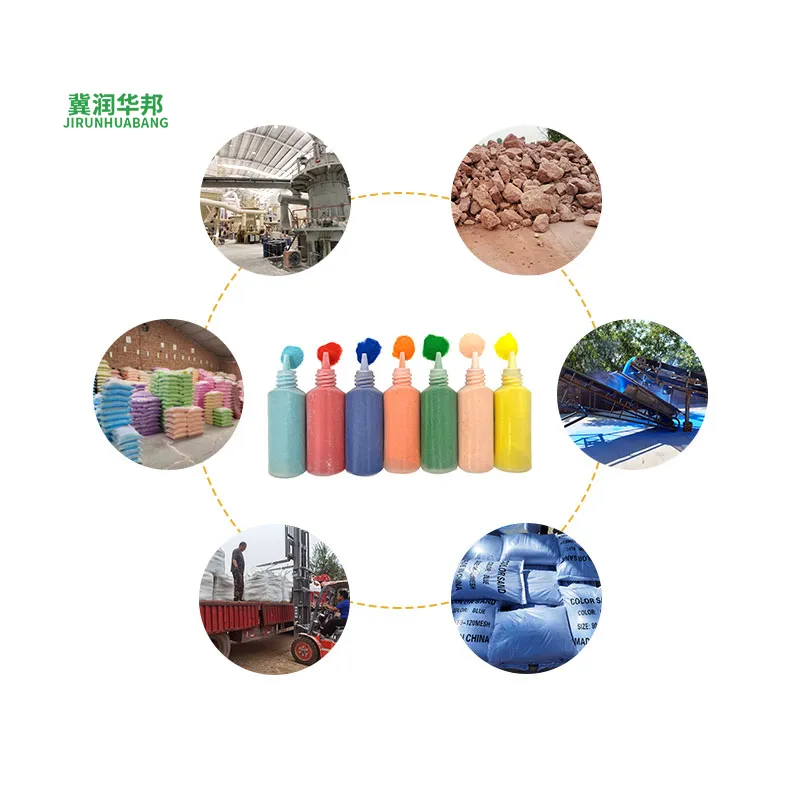
- Vibrant and Diverse Colors: Available in blue decorative sand, decorative white sand, and colored decorative sand, this product offers a wide spectrum of hues to suit any creative vision.
- Durability and Weather Resistance: The sand is designed to withstand harsh environmental conditions, maintaining its color and texture over time.
- Eco-Friendly Composition: Free from toxic substances, it ensures safety for both human health and the environment.
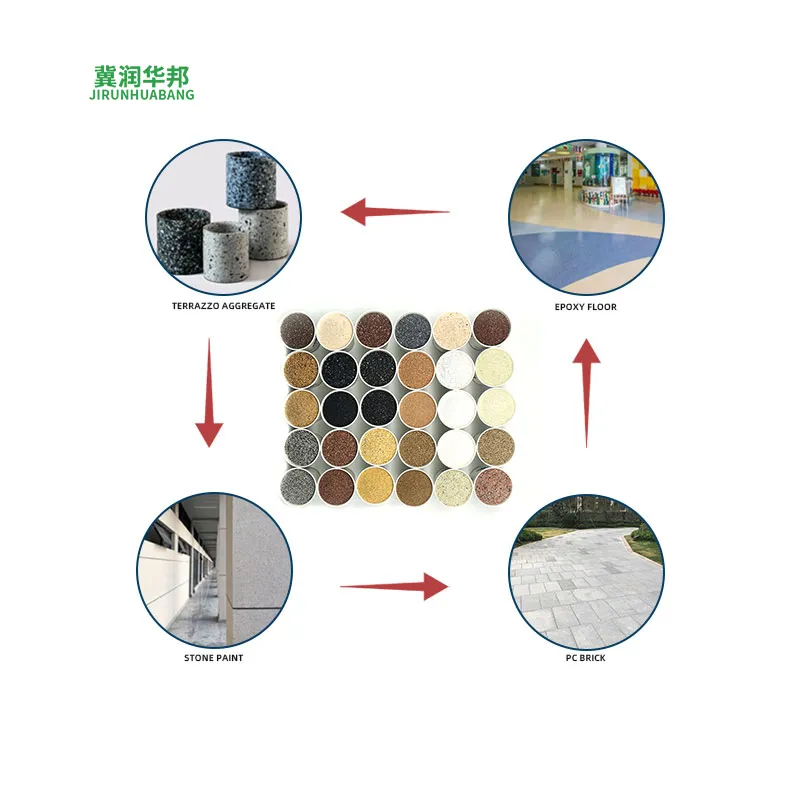
- Versatility: Suitable for applications ranging from marble floor tiles to sand clocks and sand painting.
- Low Maintenance: Its ease of use and minimal upkeep make it a practical choice for designers and homeowners alike.
Advantages of Runhuabang Color Sand
The advantages of colored decorative sand are multifaceted, making it a preferred choice in various industries:
- Aesthetic Appeal: The vibrant colors enhance visual effects, creating striking designs in both indoor and outdoor spaces.
- Longevity: Weather-resistant properties ensure the sand retains its quality even in challenging climates.
- Sustainability: As an eco-friendly material, it aligns with global efforts to reduce environmental impact.
- Cost-Effectiveness: The low maintenance and durability reduce long-term costs for users.
- Customization: The ability to mix and match colors allows for unique, personalized designs.
Technical Specifications
| Parameter | Specification |
|---|---|
| Color Options | Blue, White, Colored (Customizable) |
| Particle Size | 0.1–2.0 mm (Standard), Customizable |
| Weather Resistance | UV Stable, Frost Resistant |
| Eco-Friendliness | Non-Toxic, Recyclable |
| Application Range | Interior/Exterior Decoration, Artistic Installations |
Application Scenarios
Runhuabang Color Sand is ideal for a variety of applications, including:
- Interior Design: Used in marble floor tiles, wall murals, and decorative accents to add a touch of sophistication.
- Exterior Landscaping: Perfect for garden paths, rock gardens, and outdoor sculptures that require durability and color retention.
- Artistic Creations: Artists and designers utilize sand painting and sand clocks to create intricate, visually stunning pieces.
- Commercial Spaces: Retail stores, hotels, and offices use the sand to enhance branding and create immersive environments.
Company Background: Hebei Runhuabang New Material Technology Co., Ltd.
Based in Hebei, China, Hebei Runhuabang New Material Technology Co., Ltd. is a leader in the development of innovative construction and decorative materials. The company specializes in decorative sand and other eco-friendly products, driven by a commitment to sustainability and quality. With a focus on research and development, Runhuabang has established itself as a trusted name in the industry, serving clients globally.
Authoritative Citations and References
The use of colored decorative sand aligns with industry standards for sustainable materials. According to the National Institute of Standards and Technology (NIST), "The development of eco-friendly construction materials is critical to reducing environmental impact and improving resource efficiency" (NIST, 2023). Additionally, NIST emphasizes the importance of durability in materials used for both interior and exterior applications, stating, "Materials must withstand environmental stresses to ensure long-term performance and safety" (NIST, 2023).