
Runhuabang Cenospheres: Fly Ash for Thermal Insulation Coatings
Back to list
Introduction to Cenospheres and Their Role in Advanced Materials
Cenospheres represent a critical advancement in material science, offering unparalleled performance characteristics for a diverse range of industrial applications. These lightweight, inert, hollow spheres composed primarily of silica and alumina are by-products of coal combustion in thermal power plants. Their unique physical and chemical properties make them invaluable as functional fillers in high-performance materials. Specifically, Runhuabang Cenospheres Fly Ash Cenospheres For Thermal Insulation Material Coating stand at the forefront of innovation, delivering superior thermal insulation capabilities, exceptional strength-to-weight ratios, and chemical inertness essential for demanding B2B applications, particularly in the realm of advanced thermal insulation coatings and lightweight composites.
The increasing global demand for energy efficiency, reduced material consumption, and enhanced product longevity has positioned cenospheres as a cornerstone material. Their ability to significantly lower the density of host materials while simultaneously improving thermal, mechanical, and acoustic properties offers a competitive edge across numerous sectors, from construction and automotive to aerospace and petrochemicals. This article delves into the intricate details of Runhuabang's offering, exploring its manufacturing, technical specifications, diverse applications, and inherent advantages.
Current Industry Trends in Thermal Insulation Materials
The thermal insulation market is currently experiencing significant transformative trends driven by stringent environmental regulations, escalating energy costs, and a growing emphasis on sustainable practices. Key trends include:
- Demand for Lightweight Solutions: Industries like automotive, aerospace, and construction are continuously seeking lightweight materials to improve fuel efficiency, reduce structural load, and enhance performance. Cenospheres are perfectly aligned with this trend, offering substantial weight reduction without compromising structural integrity.
- Emphasis on Energy Efficiency: With global energy consumption on the rise, there's immense pressure to minimize heat loss in industrial processes and buildings. Advanced thermal insulation coatings utilizing materials like Runhuabang Cenospheres Fly Ash Cenospheres For Thermal Insulation Material Coating are crucial for achieving significant energy savings, reducing operational costs, and decreasing carbon footprints.
- Sustainability and Circular Economy: As by-products of coal combustion, cenospheres contribute to a circular economy by valorizing waste materials. This aligns with corporate sustainability goals and reduces reliance on virgin resources, offering an eco-friendly solution for material formulation.
- High-Performance and Specialty Coatings: There's a growing need for coatings that not only provide thermal insulation but also offer corrosion resistance, fire retardancy, and enhanced durability in extreme environments. Cenospheres enhance these properties, making them ideal for specialized industrial coatings.
- Digitalization and Smart Materials: Although cenospheres are passive fillers, their integration into "smart" insulation systems capable of sensing and adapting to environmental conditions represents a future trend in material engineering.
These trends underscore the indispensable role of advanced materials like cenospheres in shaping the future of industrial insulation and lightweight material design.
Manufacturing Process Flow of Runhuabang Cenospheres
The production of high-quality Runhuabang Cenospheres Fly Ash Cenospheres For Thermal Insulation Material Coating involves a sophisticated and meticulously controlled process, ensuring uniformity, purity, and optimal performance characteristics. The process flow begins with the careful sourcing of raw materials and culminates in stringent quality assurance.
- Raw Material Sourcing & Collection: Fly ash, a by-product of coal-fired power generation, is the primary raw material. Runhuabang collaborates with selected power plants to ensure the fly ash collected meets initial quality criteria, focusing on composition and the potential presence of cenospheres.
- Wet Separation Process: The raw fly ash is slurried with water. Cenospheres, being lightweight and hollow, naturally float to the surface while heavier ash particles and unburnt carbon sink. This density-based separation is a critical initial beneficiation step.
- Dewatering & Drying: The concentrated cenosphere slurry is then dewatered using hydrocyclones or filtration presses. The resulting wet cake is subsequently dried in rotary kilns or fluidized bed dryers to remove residual moisture, ensuring the integrity of the hollow spheres and preventing agglomeration.
- Sizing and Classification: Dried cenospheres undergo mechanical screening and air classification. This step separates the spheres into specific particle size distributions (e.g., 20-100 microns, 100-300 microns) to meet diverse application requirements. Precision classification ensures consistent performance in end products.
- Surface Treatment (Optional): Depending on the target application, cenospheres may undergo surface modification to improve compatibility with specific resin systems (e.g., silane coupling agents for polymer matrices) or enhance hydrophobicity.
- Quality Control & Testing: Throughout the process, rigorous testing is conducted. This includes particle size analysis, true density measurement, crush strength determination, chemical composition analysis (XRF), and thermal conductivity testing. Runhuabang adheres to international standards such as ASTM C1763 for cenospheres and ISO 9001 for quality management systems.
- Packaging & Distribution: The finished, quality-assured cenospheres are then packaged in bulk bags (FIBCs) or smaller sacks, ready for distribution to target industries including petrochemical, metallurgy, construction, marine, and automotive.
This meticulous process ensures that Runhuabang Cenospheres Fly Ash Cenospheres For Thermal Insulation Material Coating consistently deliver superior performance, characterized by excellent thermal insulation, enhanced corrosion resistance, and extended service life in demanding operational environments, contributing significantly to energy saving initiatives.
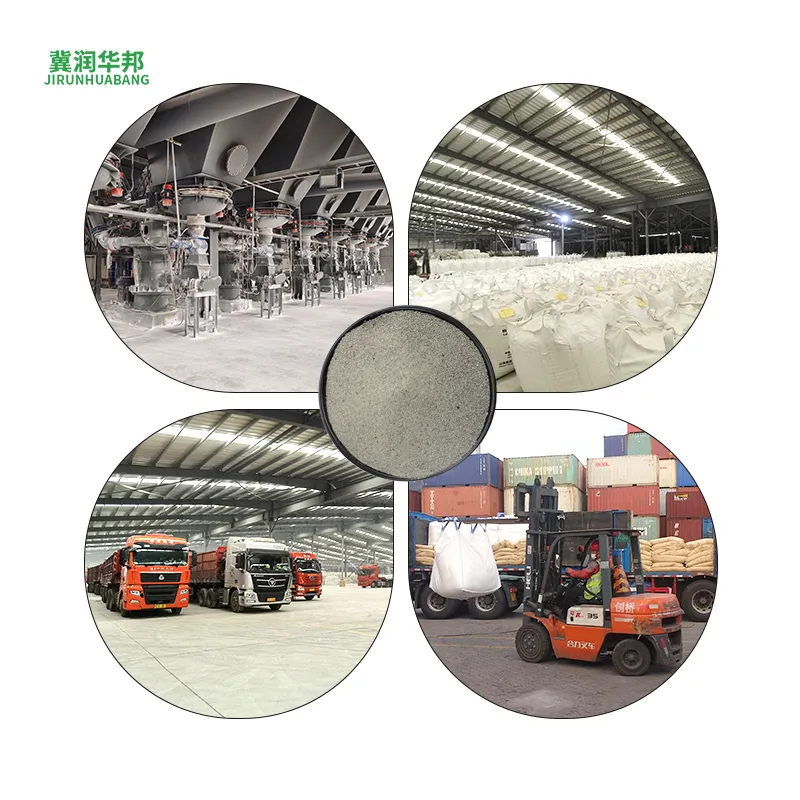
Figure 1: Illustration of Cenosphere Production Stages.
Technical Specifications of Runhuabang Cenospheres
The performance of Runhuabang Cenospheres Fly Ash Cenospheres For Thermal Insulation Material Coating is underpinned by their precisely controlled technical parameters. Understanding these specifications is crucial for engineers and material scientists in formulating high-performance products.
| Parameter | Unit | Value Range (Typical) | Test Standard |
|---|---|---|---|
| True Density | g/cm³ | 0.6 - 0.9 | ASTM C1763 |
| Bulk Density | g/cm³ | 0.3 - 0.5 | ASTM C29 |
| Crush Strength (90% survival) | MPa | 20 - 40 | Internal Method / Adapted ASTM |
| Particle Size (D50) | µm | 30 - 250 (Grade dependent) | ASTM D4464 |
| Thermal Conductivity (powder) | W/m·K | 0.05 - 0.12 | ASTM C518 |
| Melting Point | °C | >1200 | Estimated |
| Chemical Composition (SiO₂ + Al₂O₃) | % | 90 - 98 | XRF Analysis |
| Color | - | Off-white to Light Grey | Visual Inspection |
These parameters highlight the high-purity, low-density, and high-strength nature of Runhuabang cenospheres. The low thermal conductivity is particularly advantageous for insulation applications, while the high melting point ensures stability in high-temperature environments. Adherence to recognized testing standards underscores our commitment to product quality and reliability for critical B2B applications.
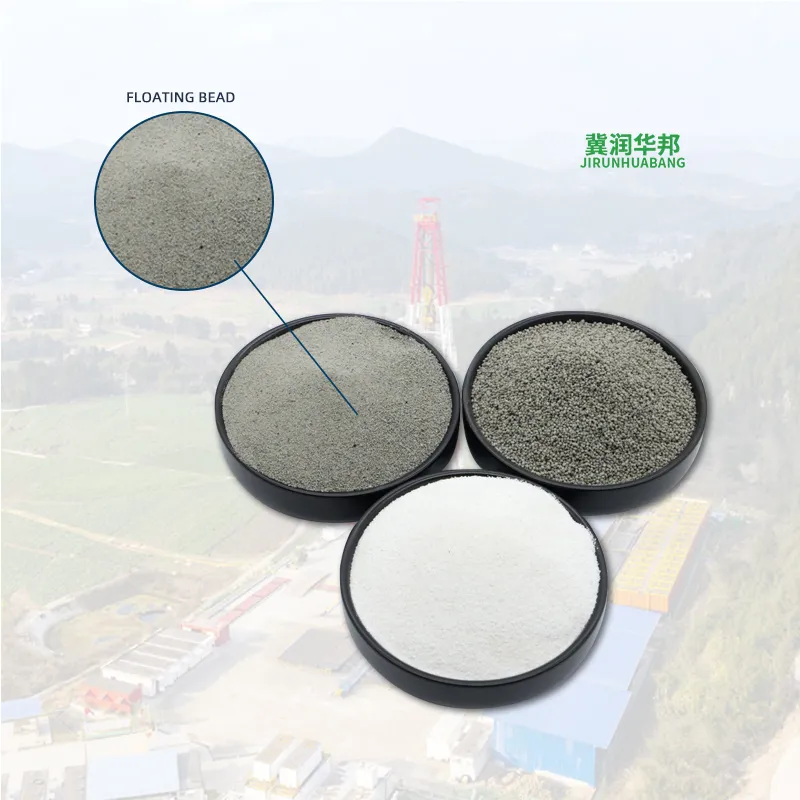
Figure 2: Microscopic view of Runhuabang Cenospheres.
Diverse Application Scenarios
The versatility of Runhuabang Cenospheres Fly Ash Cenospheres For Thermal Insulation Material Coating allows for their integration into a broad spectrum of industrial and commercial applications, yielding significant performance enhancements.
- Thermal Insulation Coatings and Paints: This is a primary application. Cenospheres act as microscopic vacuum-sealed bubbles within paint or coating formulations, significantly reducing thermal transfer. Applied to industrial pipelines, storage tanks, building exteriors, or vehicle components, these coatings provide superior insulation, minimize heat loss or gain, prevent condensation, and offer energy savings. Target industries include petrochemical, power generation, and construction.
- Lightweight Cement and Concrete: Incorporating cenospheres reduces the density of concrete mixes by up to 30%, making them ideal for lightweight precast panels, fire-resistant structures, and self-leveling floors. This reduces structural load, simplifies logistics, and improves insulation properties of building envelopes.
- Refractories and High-Temperature Materials: Due to their high melting point and chemical inertness, cenospheres are excellent fillers for refractory bricks, castables, and insulative ceramics used in furnaces, kilns, and smelters within the metallurgy, glass, and ceramics industries. They improve thermal shock resistance and insulation.
- Oil and Gas Well Cements and Drilling Fluids: In the drilling industry, cenospheres are used in lightweight cement slurries to prevent formation damage and improve zonal isolation. In drilling muds, they help control density, prevent fluid loss, and reduce hydrostatic pressure.
- Automotive Composites and Components: To meet strict fuel efficiency and emission standards, the automotive industry uses cenospheres in lightweight polymer composites for interior panels, underbody coatings, and sound-damping materials, reducing overall vehicle weight.
- Plastics and Rubber: As functional fillers, cenospheres improve dimensional stability, reduce shrinkage, enhance acoustic damping, and reduce the weight of various plastic and rubber products, from sporting goods to electrical housings.
These scenarios underscore the broad utility of cenospheres in solving critical engineering challenges related to weight reduction, thermal management, and material performance across demanding industrial landscapes.
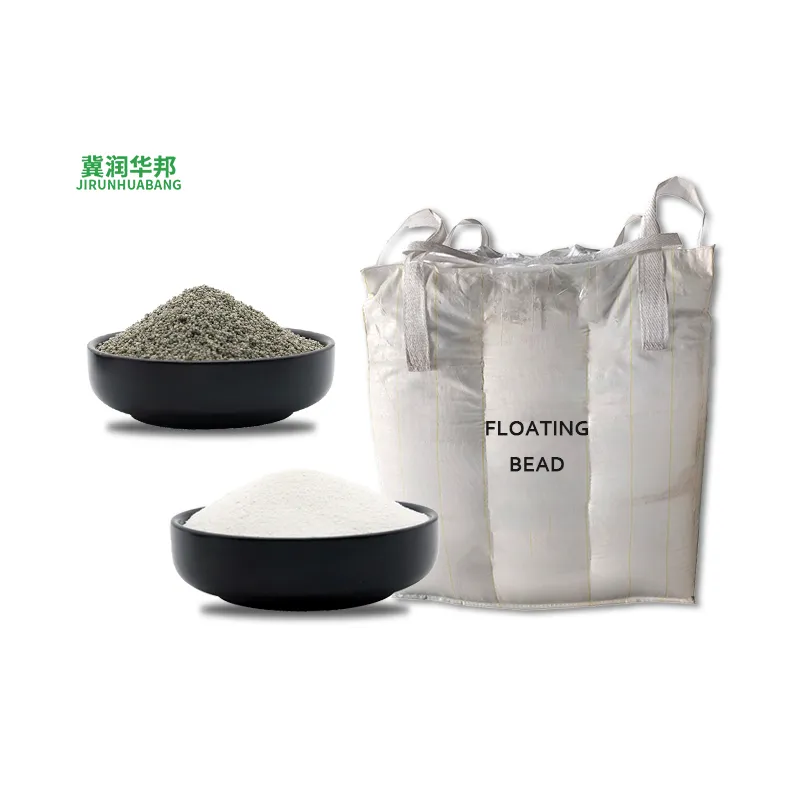
Figure 3: Cenospheres enhancing thermal insulation in a coating application.
Technical Advantages of Runhuabang Cenospheres
The distinct physical and chemical properties of Runhuabang Cenospheres Fly Ash Cenospheres For Thermal Insulation Material Coating translate into compelling technical advantages for B2B clients seeking to optimize their products and processes.
- Superior Thermal Insulation: The hollow, spherical structure of cenospheres creates a micro-cellular barrier that significantly reduces heat transfer. The trapped air/gas within each sphere acts as an excellent insulator, leading to exceptionally low thermal conductivity (as low as 0.05 W/m·K for powder form). This directly translates to substantial energy savings in insulated systems and enhances occupant comfort in buildings.
- Exceptional Lightweighting Capabilities: With true densities ranging from 0.6 to 0.9 g/cm³, cenospheres are significantly lighter than conventional fillers. Their incorporation can reduce the overall weight of a material by 10-50%, leading to lower transportation costs, easier handling, and improved performance in weight-sensitive applications (e.g., aerospace, automotive, shipbuilding).
- High Compressive Strength: Despite their hollow nature, Runhuabang cenospheres possess high isostatic crush strength (typically 20-40 MPa), ensuring their integrity during mixing, processing, and under load in the final application. This prevents particle collapse and maintains the desired properties of the composite material.
- Chemical Inertness and Durability: Composed primarily of stable oxides (SiO₂, Al₂O₃), cenospheres are chemically inert, resisting attack from most acids, bases, and organic solvents. This contributes to enhanced corrosion resistance in coatings and extends the service life of materials in harsh chemical environments.
- High Temperature Resistance: With a melting point exceeding 1200°C, cenospheres are highly stable at elevated temperatures, making them ideal for refractory applications and high-performance coatings exposed to extreme heat.
- Improved Rheology and Processing: The spherical shape of cenospheres acts as a ball-bearing effect, improving the flow properties of liquid formulations (paints, resins) and reducing viscosity. This can lead to easier processing, faster application, and reduced equipment wear.
- Cost-Effectiveness and Sustainability: As a reclaimed industrial by-product, cenospheres offer a cost-effective alternative to many synthetic fillers while simultaneously promoting environmental sustainability through waste valorization.
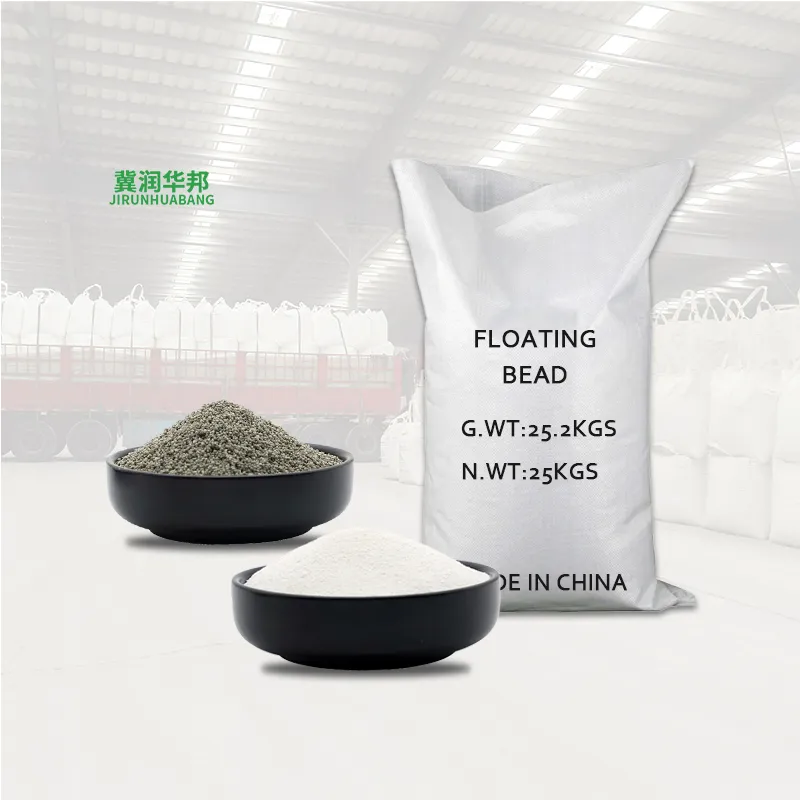
Figure 4: Impact of cenospheres on material density and thermal performance.
Vendor Comparison: Why Choose Runhuabang?
In a competitive market for functional fillers, discerning B2B clients seek reliability, consistency, and a partner capable of delivering tailored solutions. Runhuabang distinguishes itself through a commitment to quality and customer-centric service.
| Feature/Attribute | Runhuabang Cenospheres | Generic Cenospheres (Typical Market) |
|---|---|---|
| Density Consistency | Extremely tight tolerance (±0.02 g/cm³) | Wider variance (±0.05 g/cm³ or more) |
| Particle Size Distribution | Precisely classified grades, narrow distribution | Broader distribution, less uniform |
| Purity (SiO₂ + Al₂O₃) | High purity (90-98%), low carbon content | Lower purity, higher iron/carbon contaminants |
| Crush Strength | Consistently high, verified by testing | Variable, often lower or inconsistent |
| Color Uniformity | Consistent off-white to light grey | More varied, darker shades possible |
| Technical Support | Dedicated technical team, formulation advice | Limited or basic support |
| Certifications | ISO 9001, stringent internal QC | May lack comprehensive certifications |
Runhuabang's dedication to precise processing and rigorous quality control ensures that our Runhuabang Cenospheres Fly Ash Cenospheres For Thermal Insulation Material Coating surpass typical market offerings. This consistency translates directly to reliable product performance, reduced batch variations for our clients, and ultimately, greater cost-efficiency and product integrity. Our investment in advanced beneficiation technologies and continuous R&D ensures we deliver material solutions that meet the exacting standards of modern industrial applications.
Customized Solutions
Recognizing that every industrial application presents unique challenges, Runhuabang offers bespoke solutions tailored to specific client requirements. While our standard grades of Runhuabang Cenospheres Fly Ash Cenospheres For Thermal Insulation Material Coating cover a wide range of uses, certain niche applications demand specialized properties.
- Tailored Particle Size Distribution: We can engineer specific D50 values and narrow particle size distributions to optimize packing density, rheology, or surface finish in various composites and coatings.
- Surface Modification: For enhanced compatibility with specific polymer matrices (e.g., epoxy, polyurethane, polyester), we offer surface treatments (e.g., silane coupling agents) that improve adhesion, dispersion, and mechanical properties of the final composite.
- Controlled Density Grades: While standard densities are available, we can develop specific density ranges to meet precise weight reduction targets for highly sensitive applications like aerospace or deep-sea operations.
- Chemical Purity Adjustments: For applications demanding extremely low levels of certain trace elements, Runhuabang can refine cenospheres to achieve higher chemical purity, crucial for specialized electronic or catalytic applications.
Our technical team works closely with clients through consultation, prototype development, and extensive testing to ensure the customized cenosphere solution integrates seamlessly and performs optimally in their unique systems. This collaborative approach underscores our commitment to partnership and problem-solving for complex industrial demands.
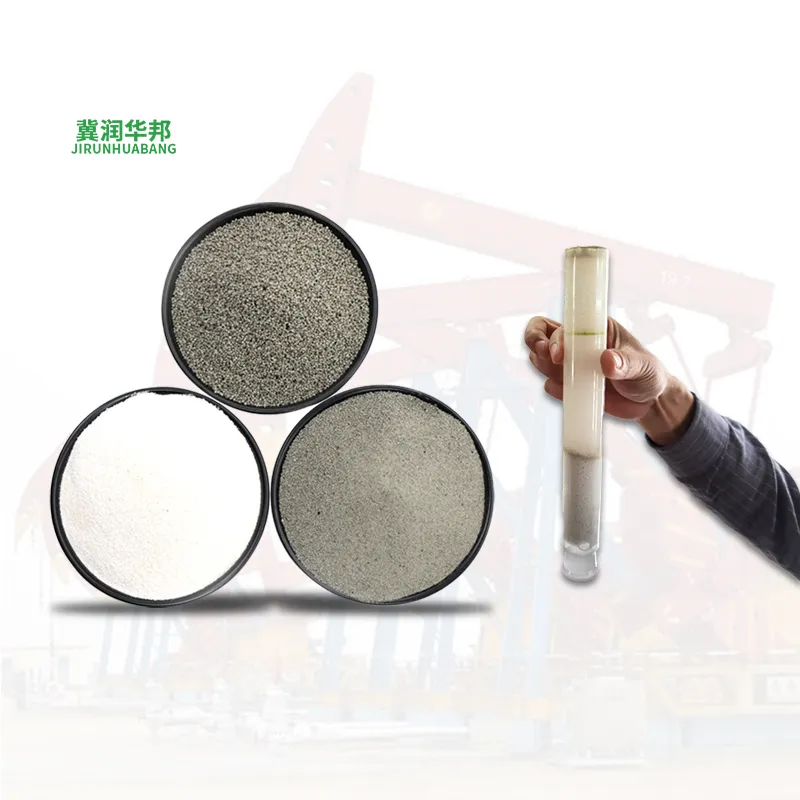
Figure 5: Runhuabang's R&D for tailored cenosphere solutions.
Application Case Studies
Runhuabang's cenospheres have been successfully deployed in numerous demanding industrial applications, showcasing their transformative potential. These case studies highlight real-world impact and customer satisfaction.
Case Study 1: Petrochemical Pipeline Insulation Upgrade
A major petrochemical complex faced significant heat loss from extensive process pipelines, leading to increased energy consumption and operational costs. Traditional insulation methods were heavy, costly to install, and susceptible to degradation. By integrating Runhuabang Cenospheres Fly Ash Cenospheres For Thermal Insulation Material Coating into their bespoke thermal insulation coating system, the client achieved:
- A 25% reduction in surface temperature of hot pipelines.
- Estimated annual energy savings of over $500,000.
- Enhanced corrosion protection, extending pipeline service life by 7 years.
- A lightweight coating solution that was easier and faster to apply, reducing downtime.
Customer Feedback: "The performance of Runhuabang's cenospheres in our new coating system was exceptional. We've seen tangible energy savings and a noticeable improvement in the durability of our infrastructure."
Case Study 2: High-Performance Lightweight Concrete for Prefabrication
A leading manufacturer of prefabricated construction elements sought to reduce the weight of their concrete panels without compromising structural integrity or thermal performance. Standard aggregates were too heavy for large-scale, easy-to-install panels. Runhuabang collaborated to develop a specific grade of cenospheres suitable for concrete mixes, resulting in:
- A 30% reduction in panel weight, simplifying transportation and on-site handling.
- Improved thermal insulation (Lambda value reduced by 0.2 W/m·K), meeting stricter building energy codes.
- Maintained compressive strength, exceeding project specifications.
- Reduced carbon footprint due to lower material usage and transport energy.
Customer Feedback: "Runhuabang's technical support was invaluable. Their cenospheres allowed us to innovate our product line, offering a lighter, more energy-efficient solution that is now a market leader."
Runhuabang maintains ISO 9001 certification, reflecting our adherence to international quality management standards. We have proudly partnered with leading manufacturers across industries for over a decade, consistently delivering high-performance material solutions.
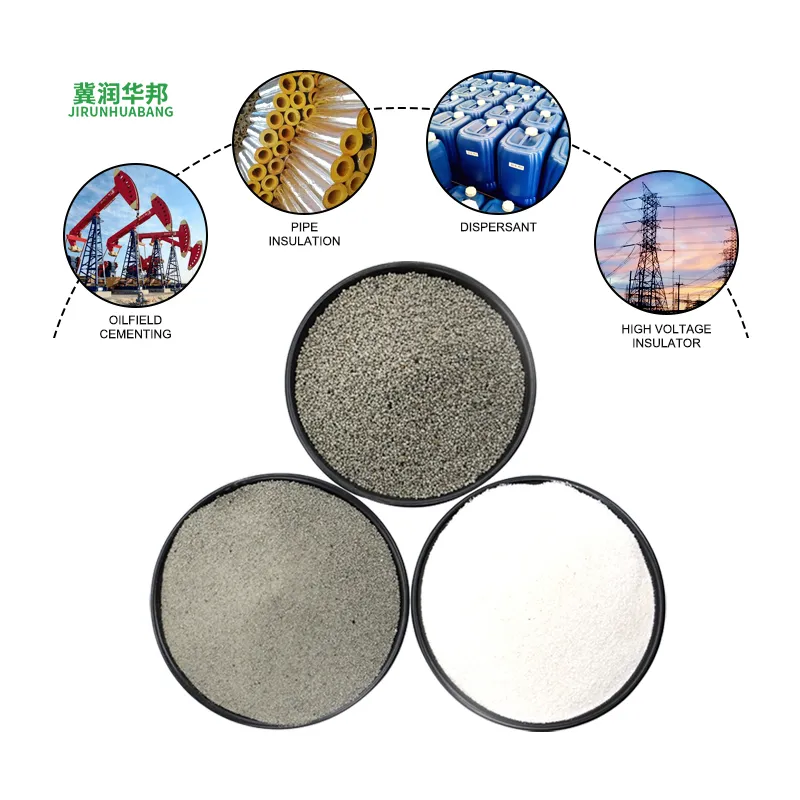
Figure 6: Example of industrial application using cenosphere-enhanced coatings.
Frequently Asked Questions (FAQ)
Q1: What makes Runhuabang Cenospheres superior for thermal insulation coatings?
A1: Our cenospheres boast a precisely controlled hollow spherical structure, high purity (90-98% SiO₂ + Al₂O₃), and exceptionally low thermal conductivity. This unique combination ensures maximum thermal efficiency, reducing heat transfer and leading to significant energy savings and improved performance in coatings.
Q2: Are Runhuabang Cenospheres environmentally friendly?
A2: Yes. As a recycled by-product of coal combustion, cenospheres contribute significantly to industrial waste valorization, reducing landfill burden and conserving virgin resources. Their use in applications like thermal insulation coatings also promotes energy efficiency, further lowering carbon footprints.
Q3: Can Runhuabang Cenospheres be customized for specific application needs?
A3: Absolutely. We offer customized solutions including tailored particle size distributions, surface treatments for enhanced compatibility with various resins, and specific density ranges to meet unique performance criteria for demanding industrial applications.
Q4: What are the typical lead times for Runhuabang Cenospheres orders?
A4: Lead times vary depending on order volume, customization requirements, and current stock levels. Generally, standard product orders can be fulfilled within 2-4 weeks. For custom grades, a lead time of 6-8 weeks for production and testing is typical. We work closely with clients to establish realistic delivery schedules and ensure timely fulfillment.
Q5: What kind of technical support and warranty does Runhuabang provide?
A5: Runhuabang provides comprehensive technical support, including product selection guidance, formulation advice, and troubleshooting assistance. All our products come with a quality assurance guarantee, ensuring they meet the specified technical parameters. In the unlikely event of a product defect, we commit to swift investigation and resolution, upholding our reputation for reliability and customer satisfaction.
Lead Time, Warranty, and Customer Support
At Runhuabang, we understand the critical importance of reliable supply chains and robust support for our B2B partners.
- Lead Time & Fulfillment: Leveraging efficient manufacturing processes and a well-managed inventory system, Runhuabang strives to maintain competitive lead times. For standard product grades, typical fulfillment is within 2-4 weeks from order confirmation. For custom specifications, lead times are determined during the consultation phase, usually ranging from 6-8 weeks, to account for specialized production and rigorous testing protocols. We operate a global logistics network to ensure timely and secure delivery to our clients worldwide.
- Warranty Commitments: Runhuabang stands behind the quality of our Runhuabang Cenospheres Fly Ash Cenospheres For Thermal Insulation Material Coating. All products are guaranteed to meet the published technical specifications and are supplied with a Certificate of Analysis. Our warranty covers material defects and non-conformance to agreed-upon specifications, provided the product is stored and used according to industry best practices.
- Customer Support: Our dedicated customer support team is available to assist with inquiries, order tracking, and general information. For technical challenges, our team of material scientists and engineers provides in-depth technical assistance, formulation advice, and problem-solving expertise. We believe in building long-term partnerships through continuous support and transparent communication.
For immediate assistance or technical consultations, please contact us directly via our website or listed contact information.
References
- American Society for Testing and Materials. (2018). ASTM C1763/C1763M-18: Standard Test Method for Determination of Percent Unfused Spheres in Fly Ash. ASTM International.
- International Organization for Standardization. (2015). ISO 9001:2015: Quality management systems – Requirements. ISO.
- Mishra, R. K., & Kumar, R. (2018). Recent Advancements in Utilization of Fly Ash Cenospheres in Thermal Insulation. Journal of Materials Science Research, 7(3), 154-162.
- Singh, M., & Singh, R. K. (2019). Cenospheres: An Overview of Their Production, Properties, and Applications. Waste Management & Research, 37(8), 755-768.
- Xu, Z., & Li, J. (2020). Advanced Lightweight Composites Using Fly Ash Cenospheres. Composites Part A: Applied Science and Manufacturing, 131, 105826.