
Runhuabang Cenospheres: Fly Ash for Thermal Coatings?
Back to list
When engineers talk about shaving weight and taming heat in coatings, cenospheres come up fast. I’ve seen more R&D briefs in the last 18 months than in the previous five years, and for good reason. Runhuabang Cenospheres Fly Ash Cenospheres For Thermal Insulation Material Coating slot neatly into that sweet spot: lighter parts, cooler surfaces, saner costs.
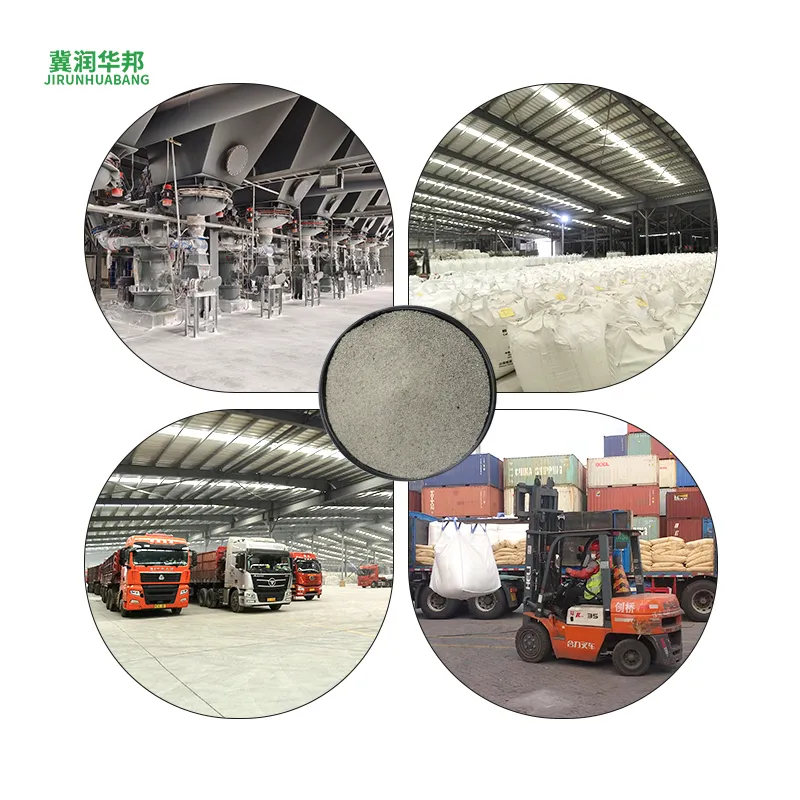
Industry trend check: decarbonization is pushing specifiers to replace dense mineral fillers with hollow, ceramic-like microspheres. In real projects, I’ve seen coating weight reduced by ≈12–22% while thermal conductivity drops enough to hit tighter energy targets. Not every line hits the same numbers, of course, but the direction is clear.
| Particle size (D50) | ≈ 20–150 μm (custom grades available) |
| True density | ≈ 0.35–0.45 g/cm³ |
| Bulk density | ≈ 0.20–0.30 g/cm³ (ASTM D1895, Method B) |
| Crush strength | Up to 25–80 MPa (grade dependent) |
| Thermal conductivity (filled coating) | ≈ 0.06–0.09 W/m·K (ASTM C177/ISO 8302) |
| Chemical composition | SiO₂+Al₂O₃ typically > 90% |
| LOI / Moisture | LOI < 1.5%; Moisture < 0.5% |
| Service temperature | Up to ≈ 1100 °C in matrix |
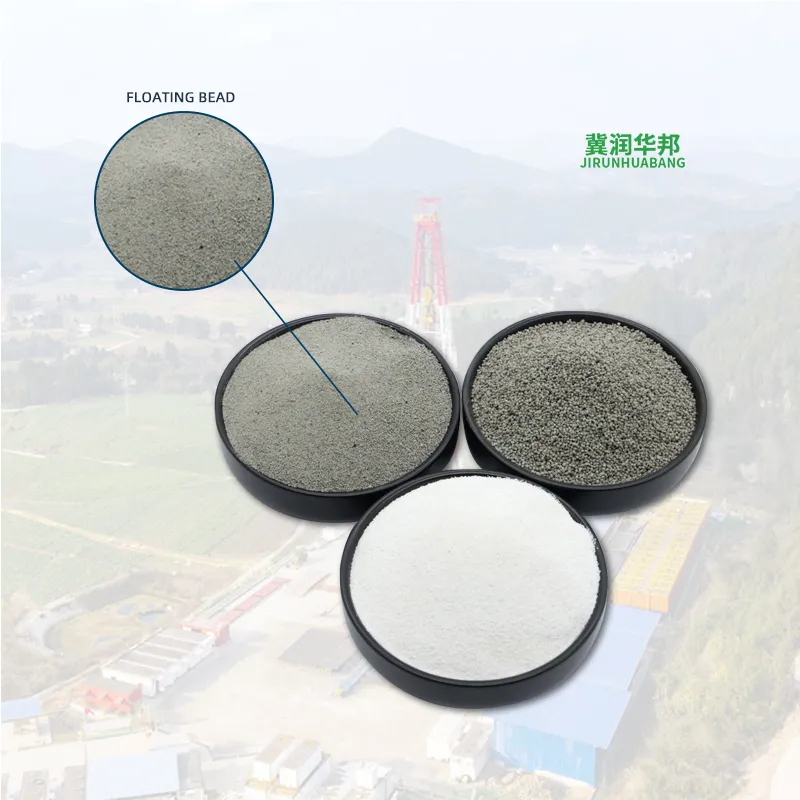
Process flow & QA (how it’s made)
- Materials: selected fly ash sources; magnetic separation and floatation remove heavies.
- Methods: density classification, sieving, calcination, surface conditioning (e.g., silane).
- Testing: PSD via ISO 13320; thermal data per ASTM C177/ISO 8302; composition by XRF (ASTM E1621); bulk density ASTM D1895; moisture ASTM D2216.
- Service life: ≈ 15–25 years in architectural/industrial coatings, assuming proper formulation and film thickness.
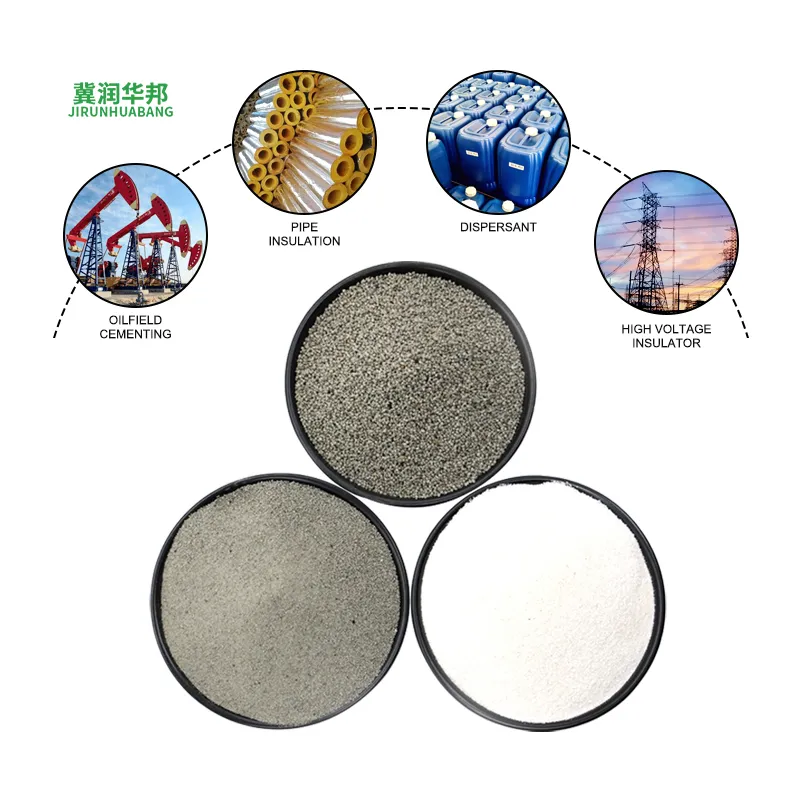
- Industries: HVAC pipe wraps, petrochemical tank coatings, fire‑resistive paints, marine syntactic systems, refractory and lightweight cement.
How people use it (and what they say)
- Dosage: typically 5–25% by weight in epoxy, acrylic, or silicone coatings; disperse gently at low shear to protect the shells.
- Benefits: weight cut, lower k-value, improved sandability and sag control, reduced resin demand. Many customers say it’s the “easy win” for energy retrofits.
- Feedback: “Viscosity stayed workable, but panel temps dropped ≈ 6–9 °C under the same radiant load,” a plant engineer told me—sounded genuinely surprised.
Vendor comparison (quick reality check)
| Item | Runhuabang | Importer A | Trader B |
|---|---|---|---|
| Bulk density tolerance | ±0.02 g/cm³ | ±0.05 | Not stated |
| Crush strength (MPa) | 25–80 (by grade) | 15–60 | Unknown |
| Documentation | CoA + REACH/RoHS | CoA only | Limited |
| Customization | PSD, surface-treated | PSD only | No |
| Lead time | ≈ 7–12 days | ≈ 15–25 days | Variable |
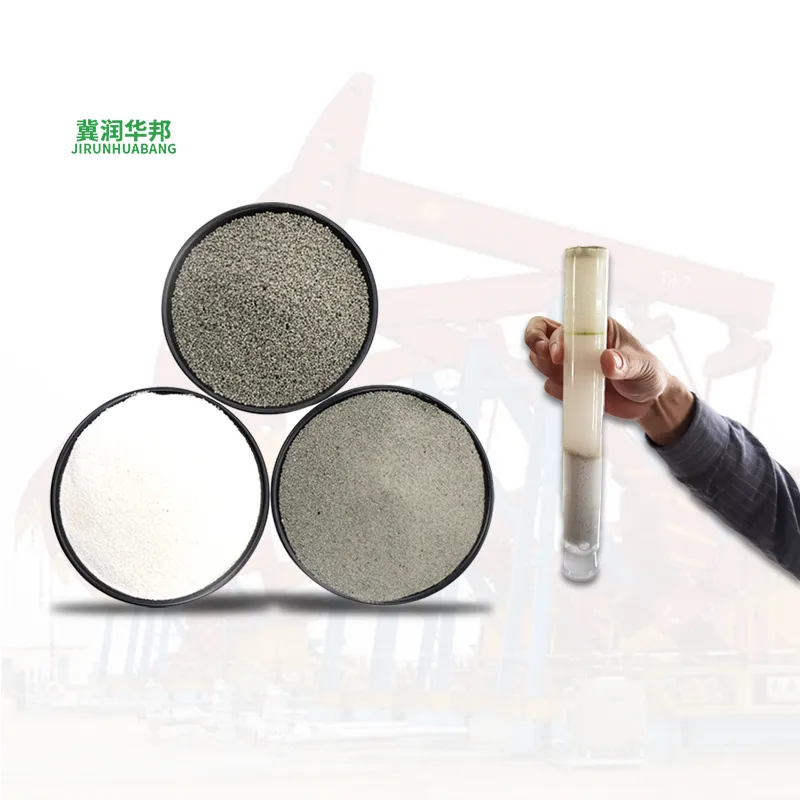
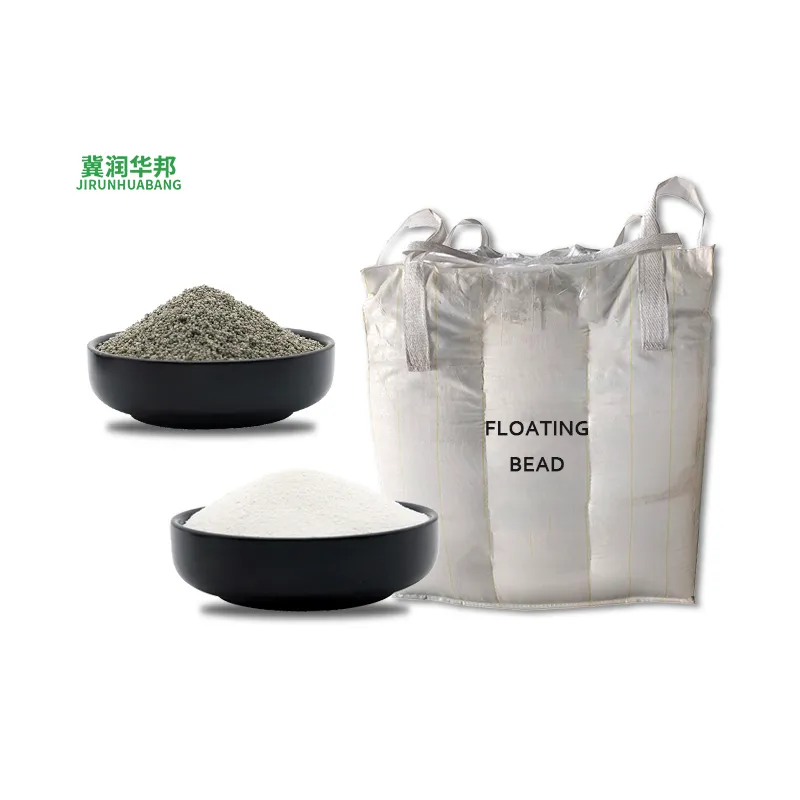
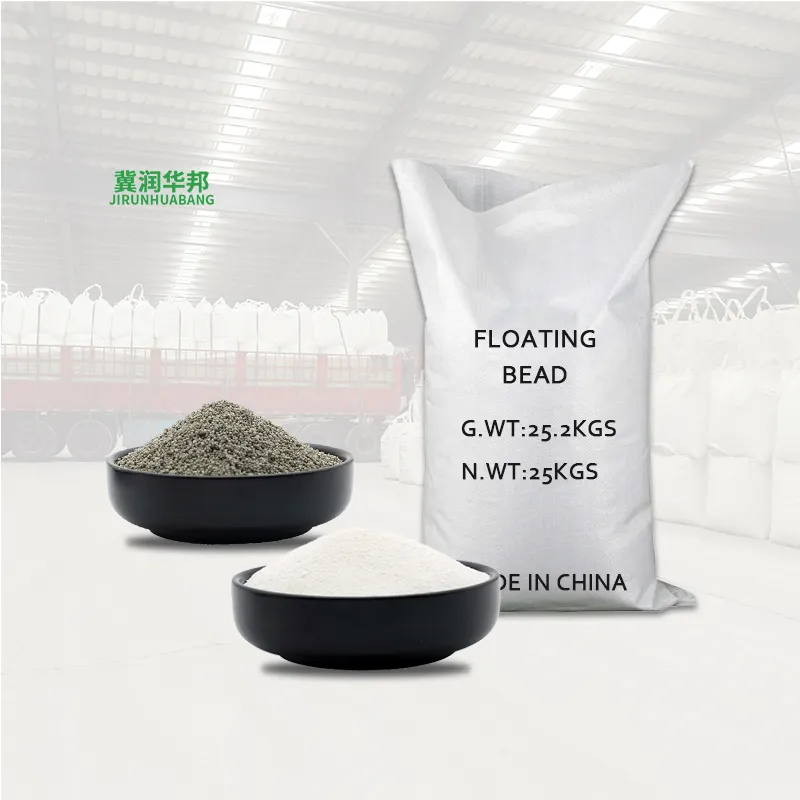
Customization, logistics, and origin: surface-treated grades for epoxy or silicone matrices; fine/medium/coarse PSD matched to your spray equipment; packaging in 20/25 kg bags or 1 t FIBCs. Origin: 0811, Building H2, Poly Plaza (North District), 95 Shifang Road, Chang 'an District, Shijiazhuang, Hebei. Certifications: ISO 9001/14001; RoHS and REACH-ready documentation.
Case notes (short and sweet)
- Refinery pipe jacketing: Runhuabang Cenospheres Fly Ash Cenospheres For Thermal Insulation Material Coating at 18% bw reduced heat loss ≈ 14% vs. mineral filler control; k-value verified to ASTM C177.
- Cold storage roof coat: 12% loading cut coating weight ≈ 17% and lowered deck temperature 5–7 °C on a 34 °C day; adhesion unchanged after 1,000 h QUV.
If you’ve fought sagging or blistering with heavy fillers, this feels refreshing—lighter, cooler, smoother. And, to be honest, simpler to scale.
References
- ASTM C177 – Standard Test Method for Steady-State Heat Flux Measurements and Thermal Transmission Properties.
- ISO 8302 – Thermal insulation — Determination of steady-state thermal resistance and related properties.
- ISO 13320 – Particle size analysis — Laser diffraction methods.
- ASTM E1621 – X-ray Fluorescence (XRF) for Elemental Analysis of Glasses/Ceramics.
- ASTM D1895 – Apparent Density of Powders and Molding Compounds.
- ECHA REACH and RoHS (Directive 2011/65/EU) compliance guidance for substances in articles.