
Why Sepiolite Fiber Is the Green Replacement for Asbestos and Many Synthetics
Back to list
In today’s world, where sustainability and environmental responsibility drive industrial decisions, sepiolite fiber has emerged as a transformative material—offering a natural, non-toxic, high-performance alternative to older fibers like asbestos and many synthetic options. As industries everywhere try to lower their environmental impact and phase out harmful substances, sepiolite fiber stands out as a sustainable solution that blends ecological benefits with outstanding functional properties. This natural mineral fiber not only meets performance needs but also supports the global move toward greener, more responsible manufacturing.
The push for sustainable materials has gained urgency due to growing awareness of the health and environmental risks of conventional fibers. Asbestos, once prized for its heat resistance and strength, is now known to be a powerful carcinogen, leading to worldwide bans and costly cleanup efforts. Synthetic fibers, though versatile, come from non-renewable petroleum, do not biodegrade, and can release toxic substances during production and disposal. By contrast, sepiolite fiber occurs naturally, is widely available, and poses no significant health risks to humans or the environment.
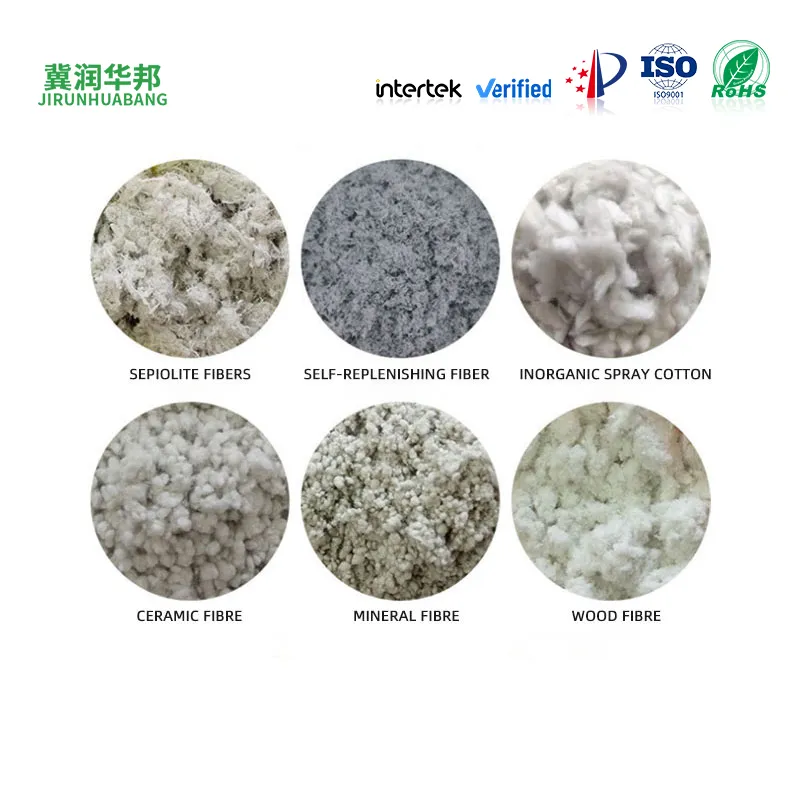
One of the biggest advantages of sepiolite fiber is its ability to replace asbestos directly and safely. It shares many of asbestos’s desirable traits—excellent heat stability, fire resistance, chemical inertness, and reinforcing ability—without the deadly health hazards. In friction materials, insulation, construction products, and industrial gaskets, sepiolite fiber has successfully taken the place of asbestos, providing equal or better performance while ensuring worker safety and regulatory compliance. This transition has been vital for industries like automotive and construction, which used to rely heavily on asbestos-based products.
Compared to synthetic mineral fibers such as glass fiber and ceramic fiber, sepiolite fiber offers clear sustainability and performance benefits. Glass fiber production consumes a lot of energy, requiring high-temperature melting that generates significant carbon emissions. Ceramic fibers can irritate the respiratory system and may not break down easily. Sepiolite fiber, however, needs only minimal processing—mainly crushing, grinding, and purification—with low energy use and almost no emissions. It is naturally soft, non-irritating, and fully biodegradable, returning harmlessly to the environment.
When matched against organic synthetic fibers like polyester, nylon, and aramid, sepiolite fiber holds its own in many uses while being far more eco-friendly. Organic synthetics are petroleum-based, non-renewable, and persist in the environment for centuries, adding to plastic pollution. Sepiolite fiber, as a mineral, is abundant in geological terms and does not accumulate in ecosystems. It also outperforms many organic fibers in high-temperature and corrosive environments, where synthetics quickly degrade or melt.
Beyond being a superior alternative, sepiolite fiber’s sustainability runs through its entire life cycle. Mining is minimally invasive compared to other mineral extraction, with modern practices prioritizing environmental protection and land restoration. Processing uses water-based purification and physical separation, avoiding harsh chemicals that could pollute water or soil. Waste from production is minimal, and most byproducts can be recycled or safely disposed of. At the end of a product’s life, materials containing sepiolite fiber can be safely discarded or recycled, with the fiber itself breaking down naturally over time.
The environmental benefits are matched by economic advantages. As a naturally abundant material, it is cost-competitive with many synthetic fibers. Its long life and durability reduce the need for frequent replacements, lowering long-term costs for both industries and consumers. In addition, using sepiolite fiber helps companies avoid the high expenses of hazardous material compliance, disposal, and potential liability—costs that are substantial for materials like asbestos or certain synthetic fibers.
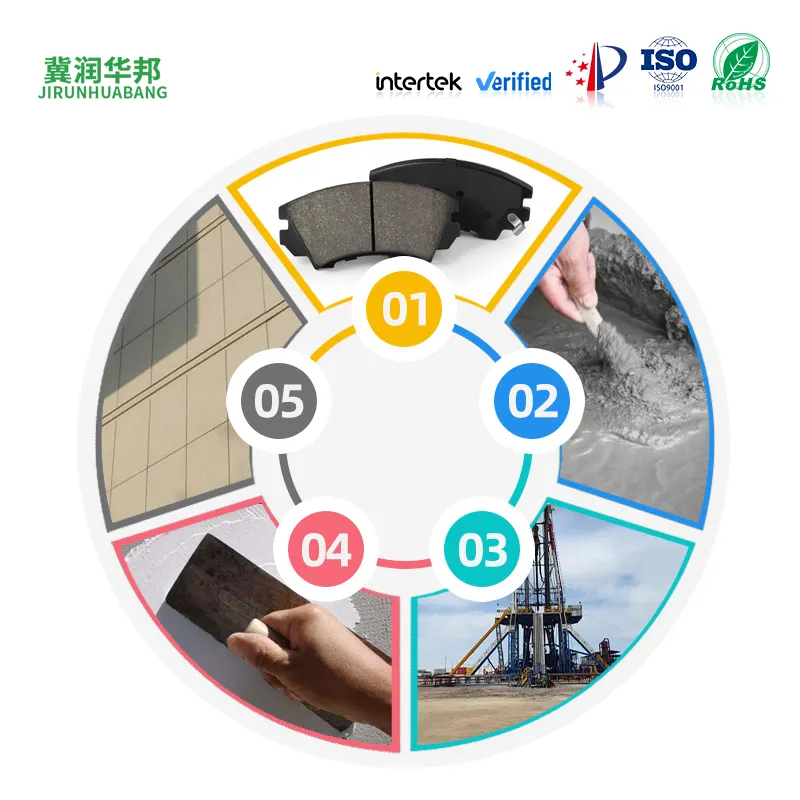
In the construction sector, sepiolite fiber is changing building practices for the better. Green building standards around the world prefer materials with low environmental impact, high durability, and energy efficiency—all qualities of sepiolite fiber. When used in concrete and insulation, it improves building energy efficiency by reducing heat transfer, lowering long-term energy needs for heating and cooling. Structures that include sepiolite fiber are more resistant to fire, cracking, and weathering, extending their service life and reducing the need for rebuilding and material waste.
Automotive manufacturers are increasingly turning to sepiolite fiber to meet strict environmental regulations and consumer demand for sustainable vehicles. Asbestos-free brake pads made with sepiolite fiber reduce environmental contamination from brake wear and eliminate health risks for production workers. The fiber’s light weight also helps improve fuel efficiency by reducing vehicle mass—a key factor in lowering carbon emissions from transport.
Environmental protection applications further highlight sepiolite fiber’s green credentials. As an adsorbent for pollution control, it offers a natural alternative to synthetic resins and activated carbon, which are often energy-intensive to produce. Its ability to be regenerated and reused many times reduces waste compared to single-use adsorbents. In water treatment, it removes contaminants without introducing harmful chemicals into water systems.
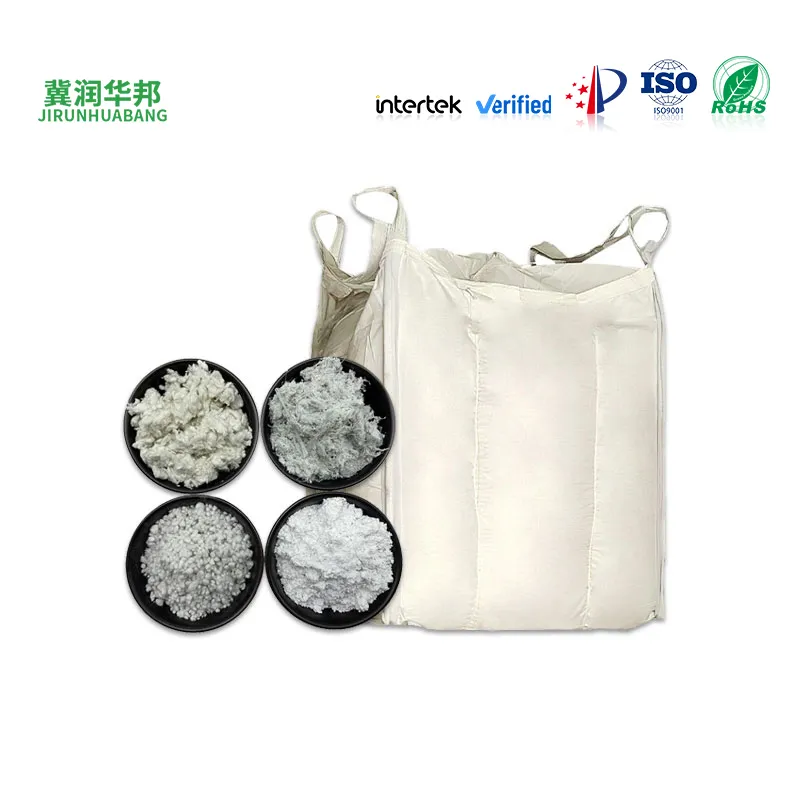
The adoption of sepiolite fiber also supports circular economy principles. Its compatibility with various materials allows it to be integrated into composite products that can be recycled or repurposed. Manufacturers are developing innovative products that combine sepiolite fiber with recycled plastics, rubbers, and other materials, creating high-performance composites with a smaller environmental footprint.
As global sustainability standards become stricter, demand for eco-friendly materials like sepiolite fiber continues to rise. Governments and industries are investing in research to expand its applications and improve processing technologies, further boosting its sustainability and performance. Unlike finite synthetic materials, sepiolite fiber’s natural abundance ensures long-term supply stability, making it a reliable choice for a sustainable future. In short, sepiolite fiber represents a perfect balance between nature and industry.