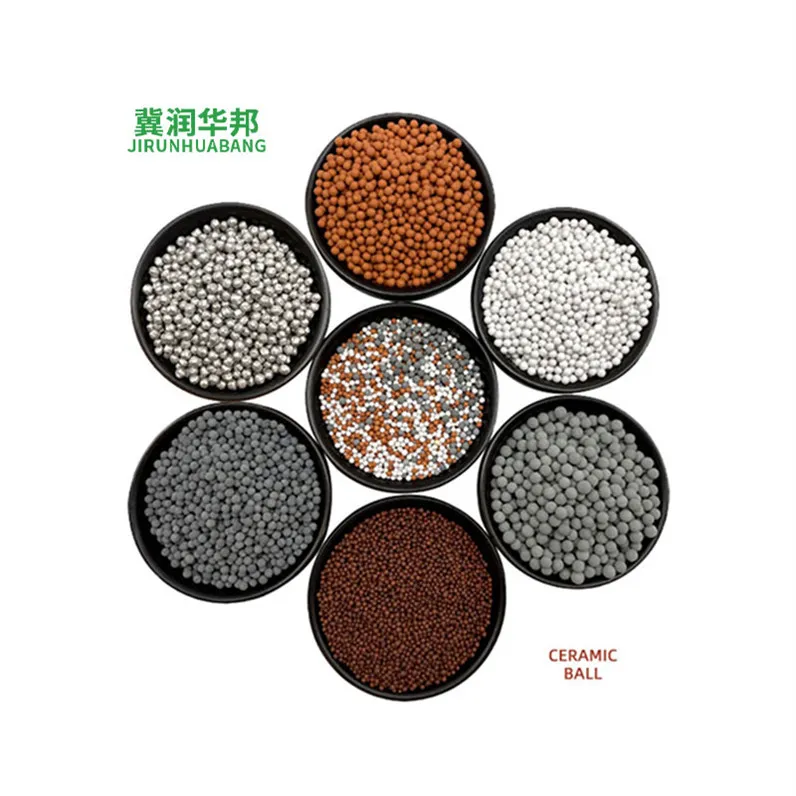
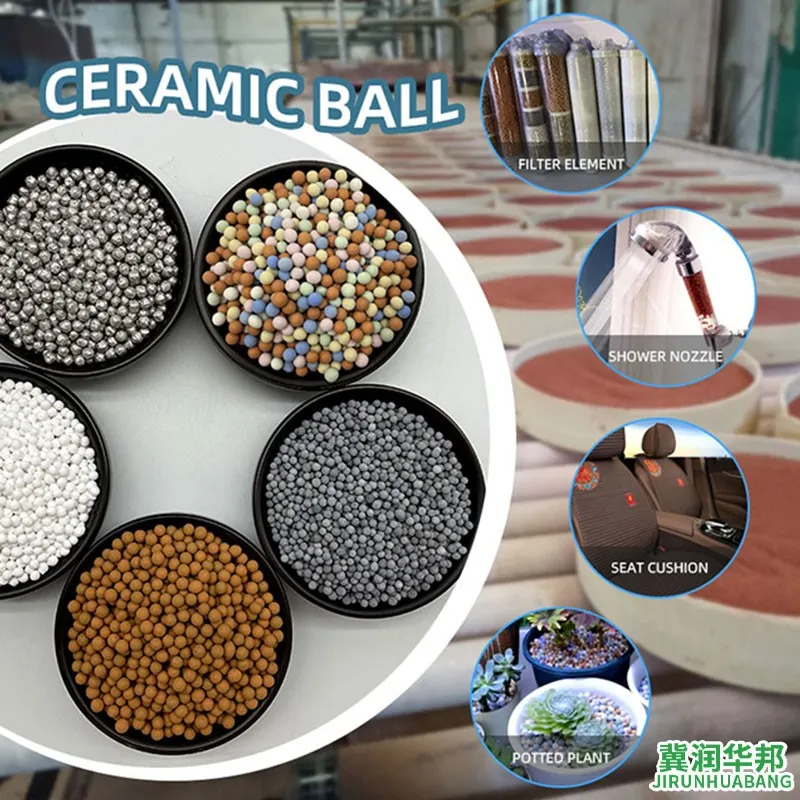
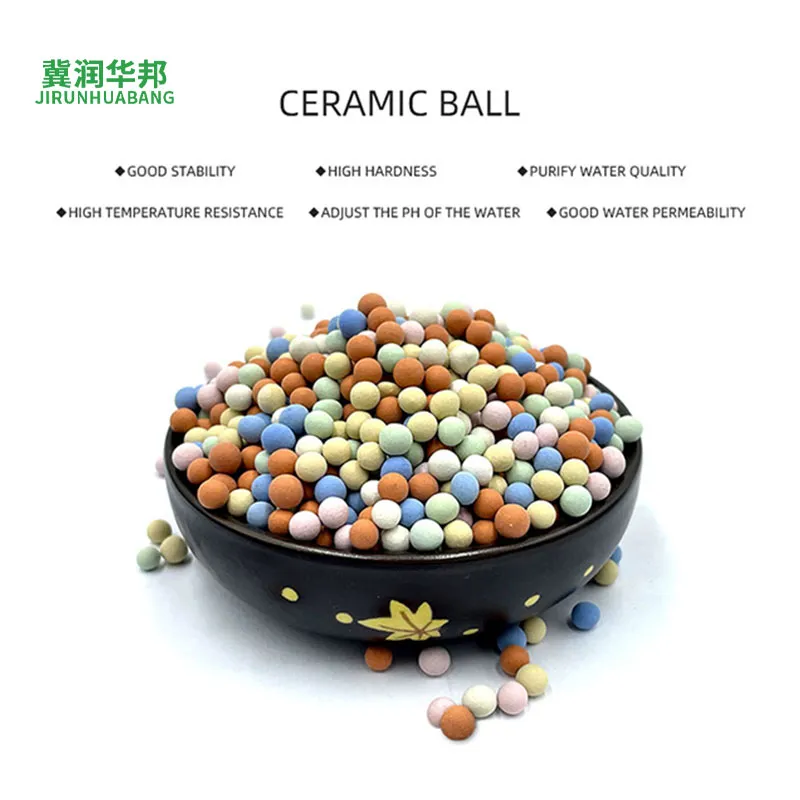
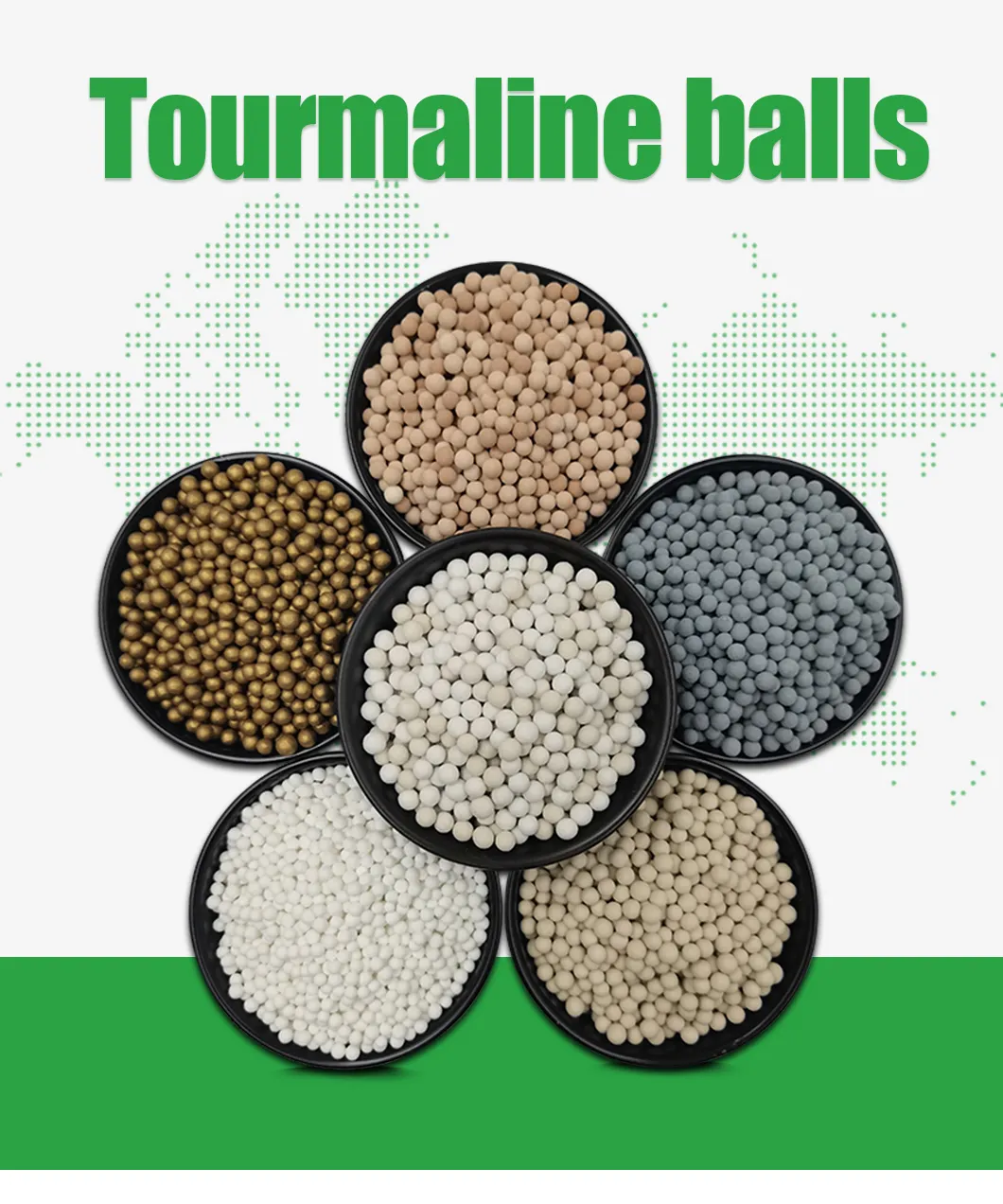
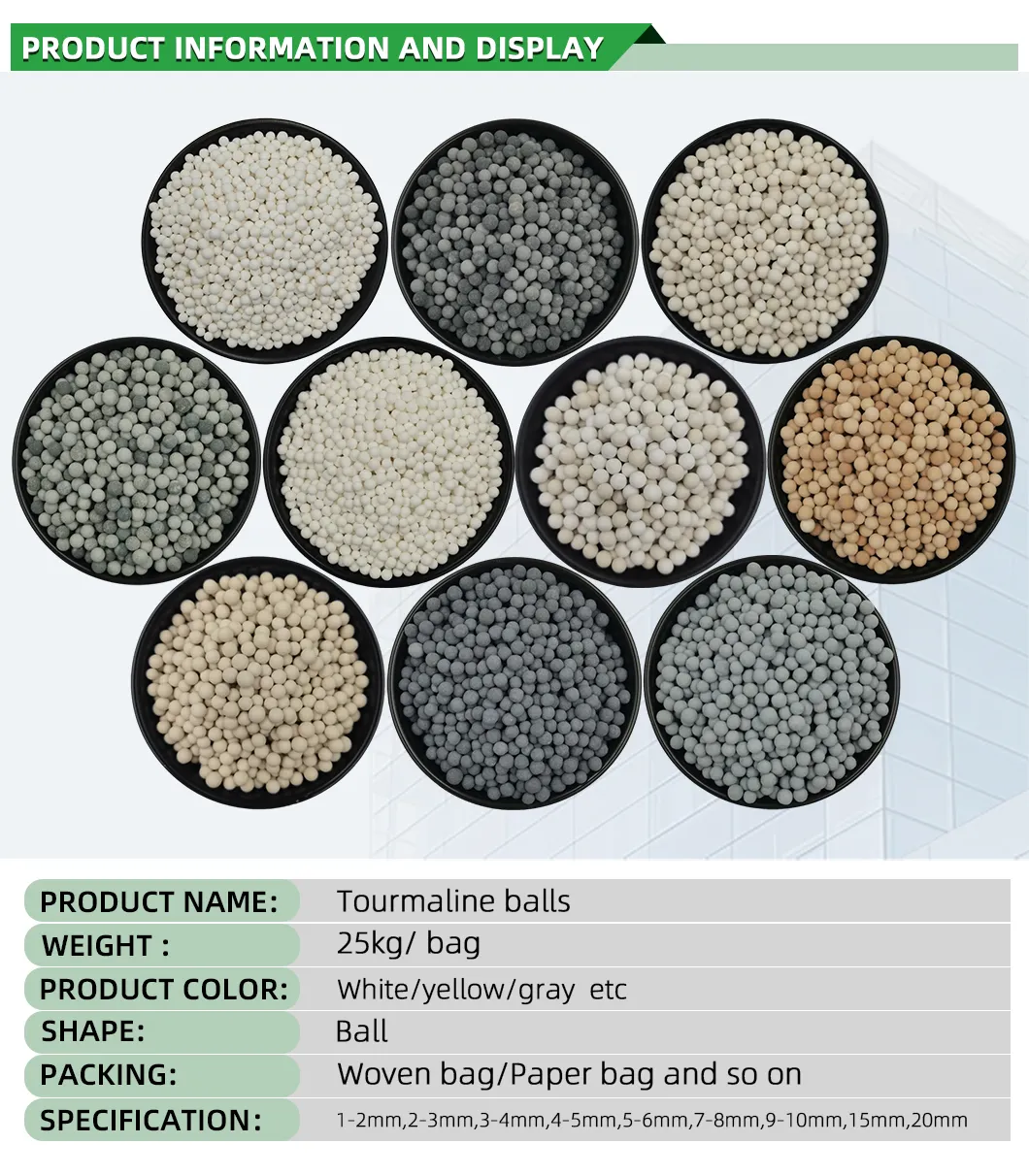
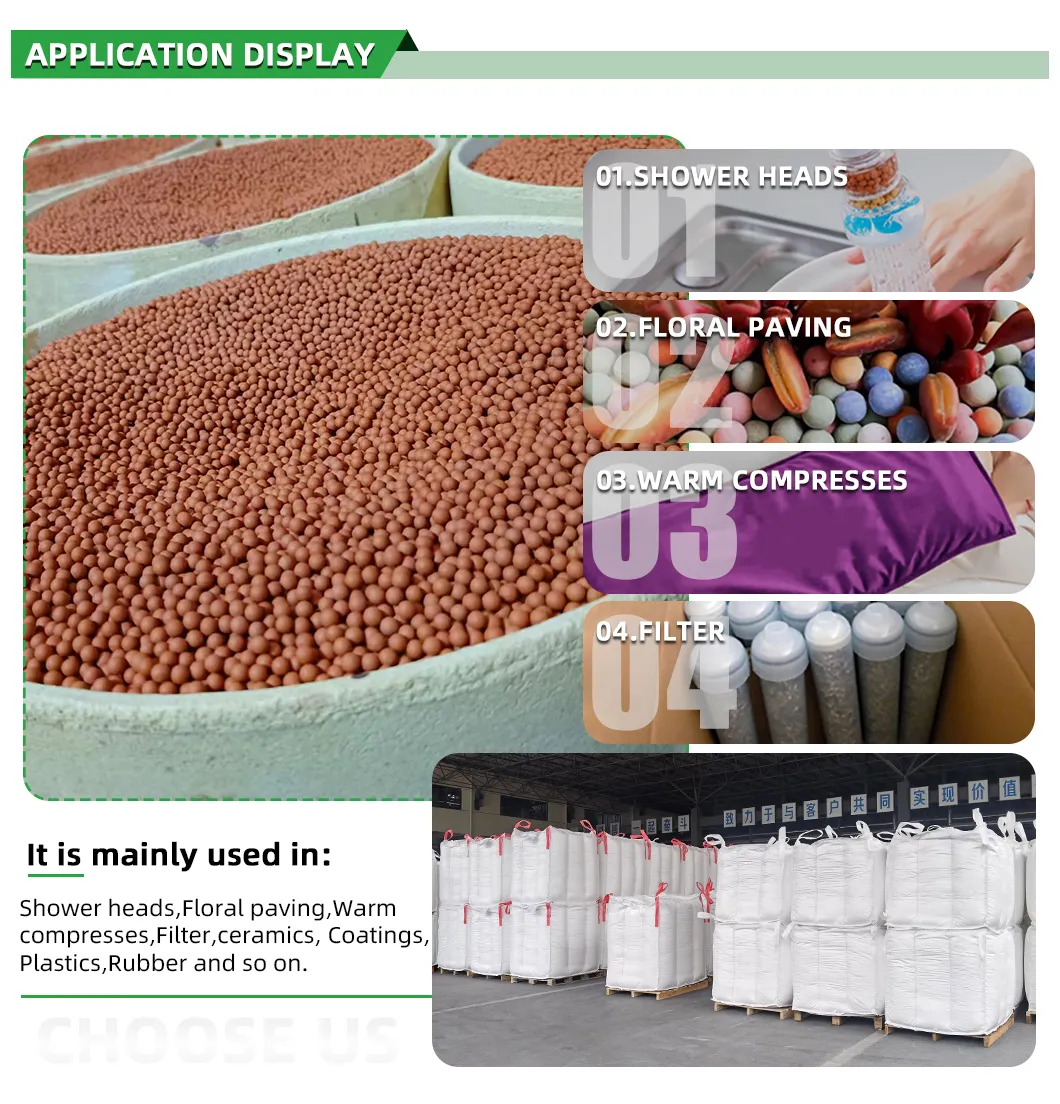
In gardening, mixed - color ceramic balls and maifanite balls serve as excellent garden mulch or paving materials. The mixed - color ceramic balls add a vibrant and decorative touch to garden paths, flower beds, or potted plant arrangements, elevating the visual appeal of outdoor spaces. Maifanite balls, on the other hand, offer more than just looks. They are rich in trace minerals like potassium, iron, and zinc. When used as a top layer in gardens, they gradually release these beneficial elements into the soil, nourishing plants and enhancing soil fertility. Their porous structure also aids in water retention and aeration, creating a healthier growing environment.
Tourmaline balls have carved a niche in daily - use products, particularly as cushion fillings. These balls possess piezoelectric and pyroelectric properties, generating weak electric charges under pressure or temperature changes. When used in cushions, they can promote blood circulation, relieve muscle tension, and provide a soothing and comfortable sitting or lying experience.
Parameter Produk
| Tempat Asal |
China |
| warna |
Putih/Kelabu/Kuning/Hitam dan sebagainya |
| bentuk |
bola |
| Saiz |
1mm-2cm |
| Gred |
gred kosmetik/Gred industri/Gred makanan |
| Pakej |
5-25kg/beg, pakej tersuai |
| MOQ |
1kg |
Adsorbent ceramic spheres crafted in Hebei, China, represent a pinnacle of innovation for industrial dyeing wastewater treatment. Capitalizing on the region’s rich reserves of mineral resources and cutting-edge environmental materials expertise, these spheres offer a sustainable solution for water purification challenges.
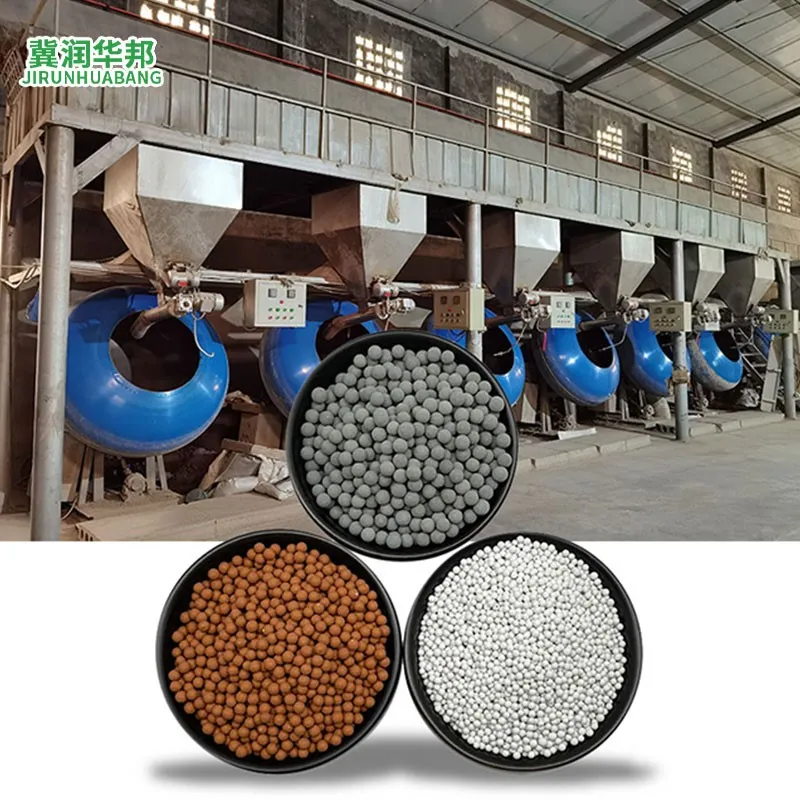
Hebei’s manufacturers source zeolite and activated clay from local deposits—materials celebrated for their remarkable ability to attract and hold dye molecules and organic compounds. These raw materials are meticulously ground, blended with binding agents, and shaped into spheres using isostatic pressing techniques. This manufacturing process guarantees a uniform distribution of adsorbent components throughout each ceramic sphere, enhancing its purification capabilities.
The production process involves low-temperature sintering, a crucial step that preserves the natural adsorptive qualities of zeolite and activated clay. The resulting ceramic spheres feature a rugged exterior and a highly porous internal structure. This unique architecture maximizes the surface area available for interaction with dye-laden wastewater, ensuring efficient capture of unwanted substances.
What sets these ceramic spheres apart from traditional chemical treatment methods is their physical adsorption mechanism. Unlike chemical processes that can generate harmful byproducts, these spheres remove dye molecules through simple physical attraction. This approach decolorizes wastewater without introducing new pollutants, making them an ideal choice for textile and printing facilities seeking eco-friendly treatment alternatives.
In industrial dyeing operations, wastewater contaminated with reactive, disperse, or acid dyes flows through treatment tanks filled with these adsorbent ceramic spheres. As the water passes over the spheres, their surfaces attract and retain dye molecules, effectively clarifying the liquid and reducing its chemical oxygen demand. Factories that have integrated these spheres into their wastewater treatment systems report significant improvements in water quality, enabling them to meet strict environmental discharge standards.
Another key advantage of Hebei’s adsorbent ceramic spheres is their regenerative nature. After saturation, the spheres can be rejuvenated by washing with mild solutions, restoring their adsorptive properties. This extendable lifespan reduces waste generation and offers cost savings over disposable treatment options.
Hebei suppliers understand that different dye types require tailored solutions. They customize the composition of their ceramic spheres, adjusting the ratio of zeolite and activated clay to target specific dyes. For example, increasing the zeolite content enhances performance against reactive dyes, while optimizing the activated clay component improves removal of disperse dyes.
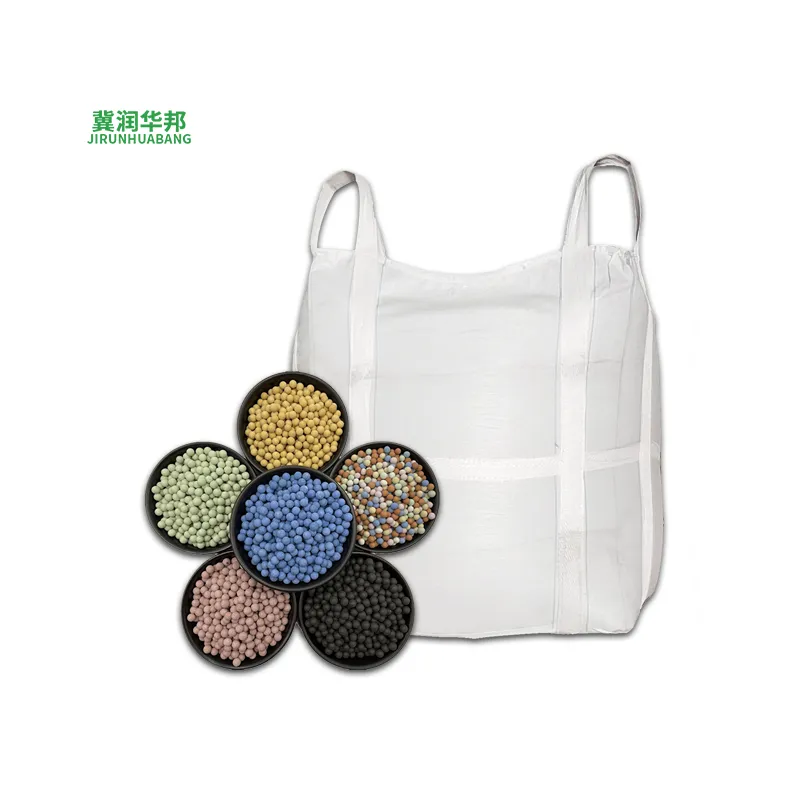
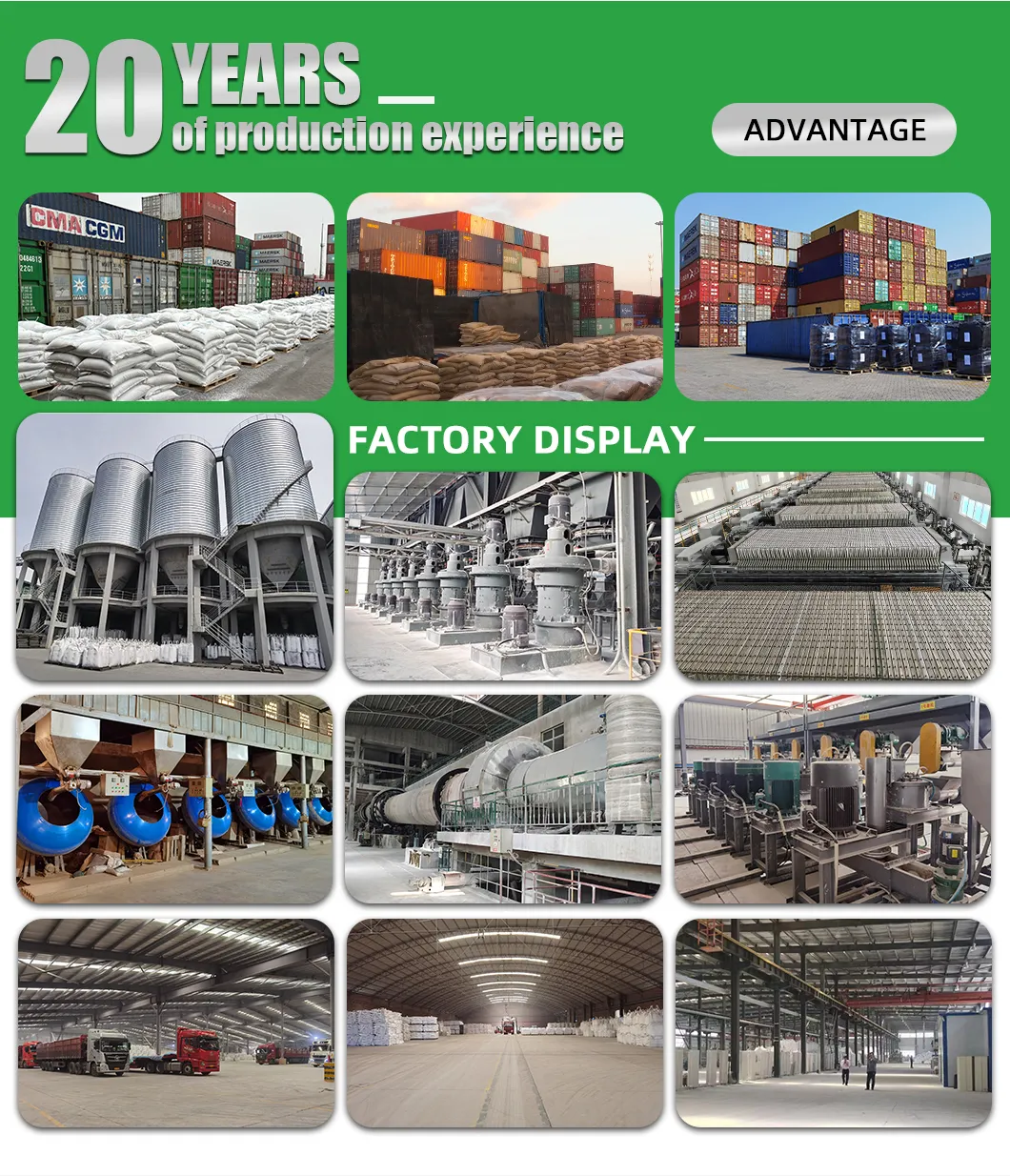
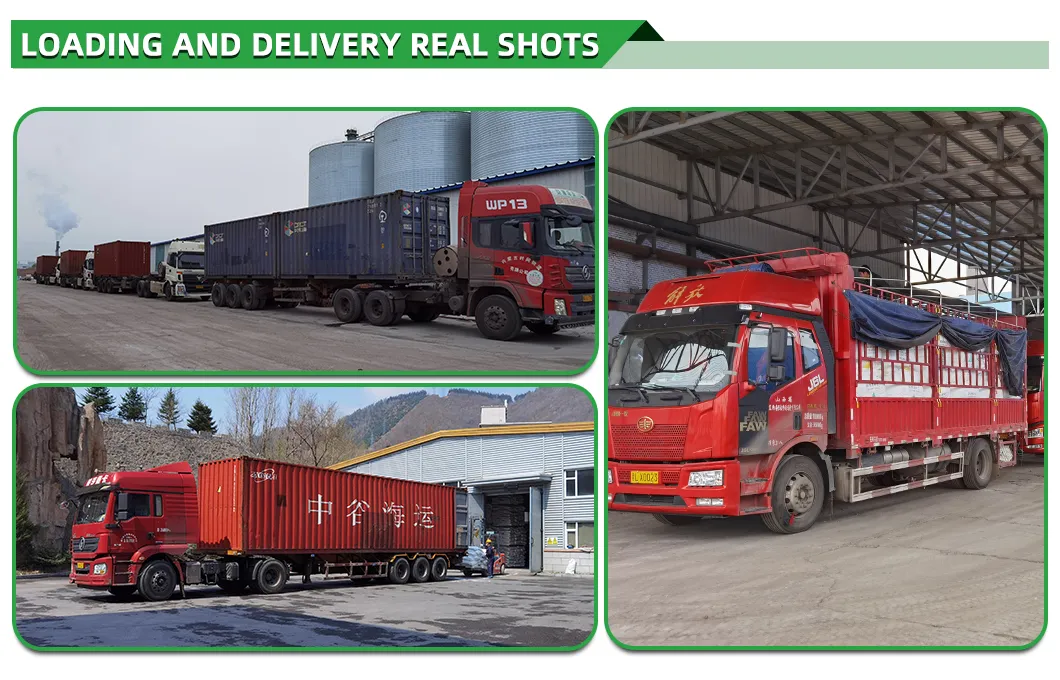
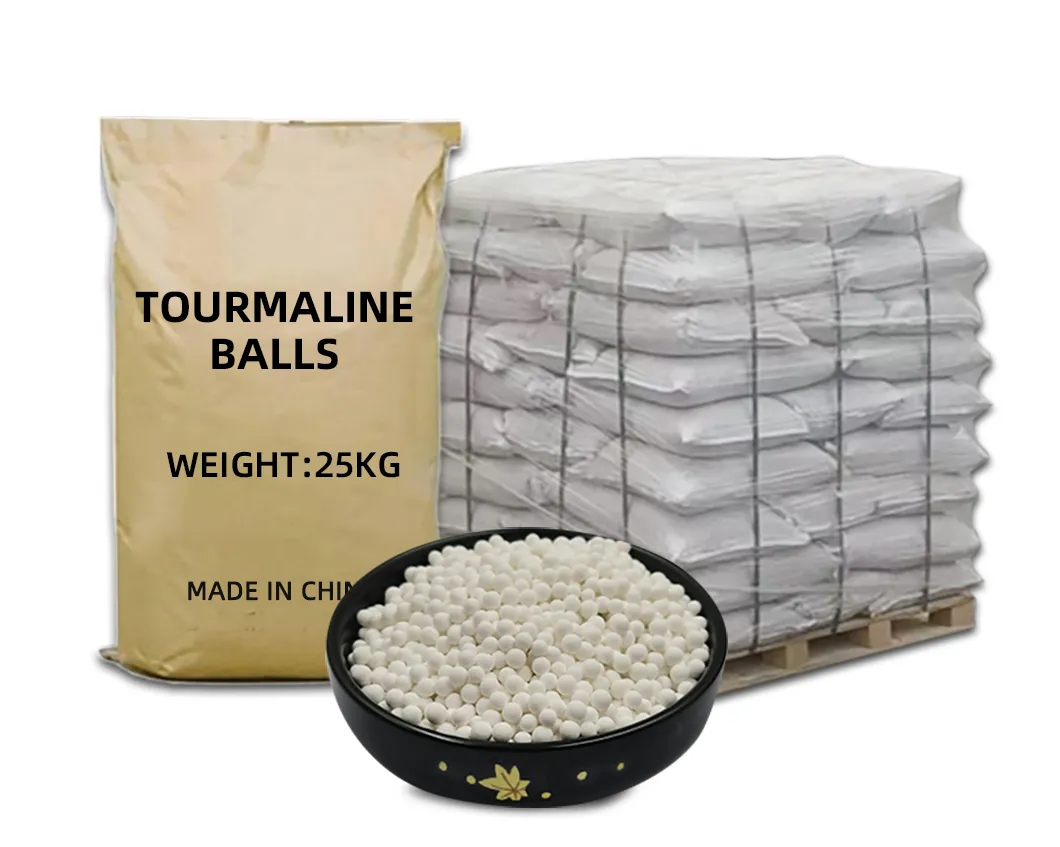
The spheres are packaged for efficient bulk transportation, with sturdy pallets protecting them during transit. Thanks to Hebei’s strategic location and robust logistics infrastructure, these purification solutions can reach major dyeing hubs in Southeast Asia, India, and Europe with ease.
Quality assurance is at the heart of Hebei’s manufacturing process. Every batch of ceramic spheres undergoes rigorous testing using standard dye solutions to ensure consistent adsorption performance. Technical support teams provide guidance on system design, including tank configurations and optimal sphere replacement schedules, helping customers achieve maximum purification efficiency.
As industries worldwide face growing pressure to adopt sustainable practices, adsorbent ceramic spheres from Hebei stand out as a reliable and effective solution for industrial wastewater treatment. Their combination of high performance, durability, and environmental friendliness makes them an essential tool for maintaining clean water resources in the textile and dyeing sectors.