
What is White Carbon Black? A High-Performance Silica Material Empowering Advanced Industries
Back to list
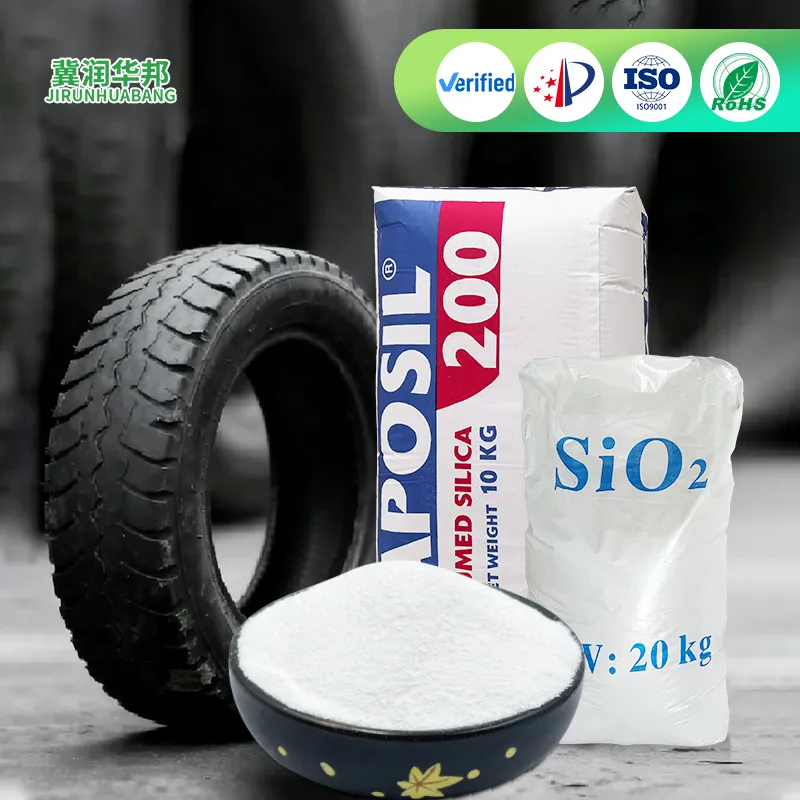
Known as "the functional core of modern industrial additives", white carbon black is a general term for white powdery X-ray amorphous silicic acid and silicate products, mainly composed of hydrated silicon dioxide (SiO₂·nH₂O). It is divided into precipitated silica and fumed silica according to production processes, with unique nano-micro porous structure and excellent physical and chemical properties. It has become an irreplaceable high-performance material in rubber, tires, coatings, daily chemicals and other high-tech fields worldwide.
1. The Production of White Carbon Black: Precision Crafting of Two Core Processes
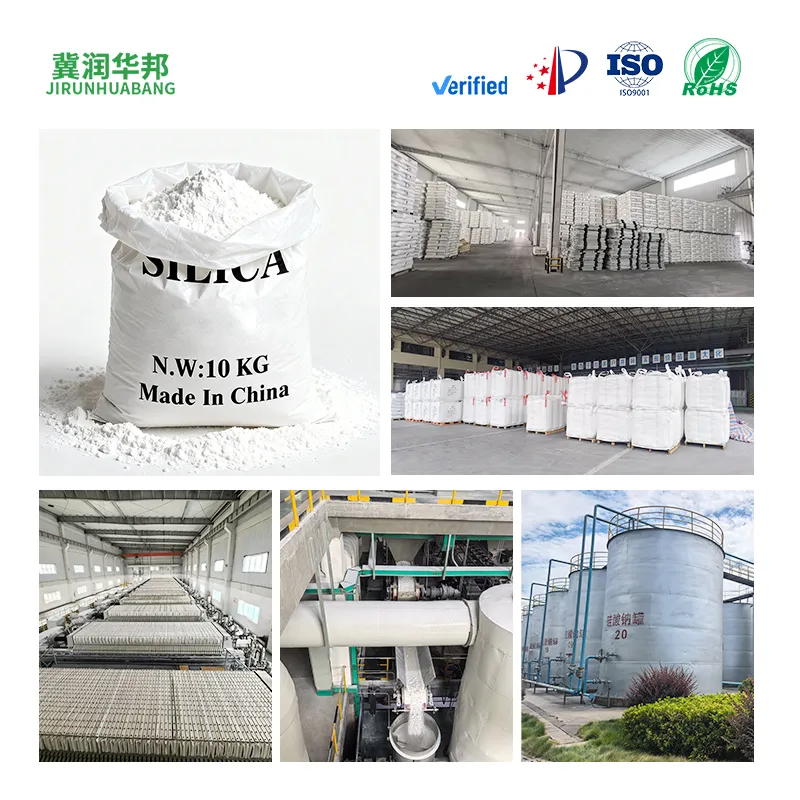
White carbon black is a synthetic inorganic non-metallic material, and its preparation technology determines its structural characteristics and application scenarios. The formation of high-quality white carbon black relies on precise control of reaction conditions and advanced process technology, with two mainstream industrial production methods forming differentiated product systems:
Precipitated Silica
It is produced by the acidification reaction of water glass solution with sulfuric acid, hydrochloric acid or carbon dioxide, followed by precipitation, filtration, washing, drying and calcination. The whole process needs to strictly control the reaction temperature (28~32℃), pH value (5~7) and aging time. It is the most widely used type of white carbon black, accounting for more than 80% of the market share, with moderate production cost and adaptable performance.
Silika asem
Also known as pyrogenic silica, it is prepared by chemical vapor deposition (CVD) with silicon tetrachloride, oxygen and hydrogen as raw materials through high-temperature gas-phase hydrolysis at 1000~1800℃. The product is nano-scale amorphous flocculent particles (particle size 10~20nm) with ultra-high purity (up to 99.9%) and huge specific surface area. The preparation process is complex and the cost is high, which is mainly used in high-end precision manufacturing fields.
In addition, new preparation processes with non-metallic minerals (kaolin, coal gangue, fly ash) as silicon sources have been gradually industrialized, which greatly reduces the production cost while realizing resource recycling, and has become a new development direction of white carbon black industry. High-quality white carbon black products are widely produced in China, the United States, Germany and other countries. China has become the world's largest producer and consumer of precipitated silica, with a production capacity exceeding 300 million tons.
2. Key Characteristics of White Carbon Black: What Makes It Unique?
White carbon black's excellent performance stems from its amorphous porous structure and high-purity silicon dioxide composition, which is far superior to traditional inorganic fillers in terms of reinforcement, adsorption and stability. Its core characteristics include:
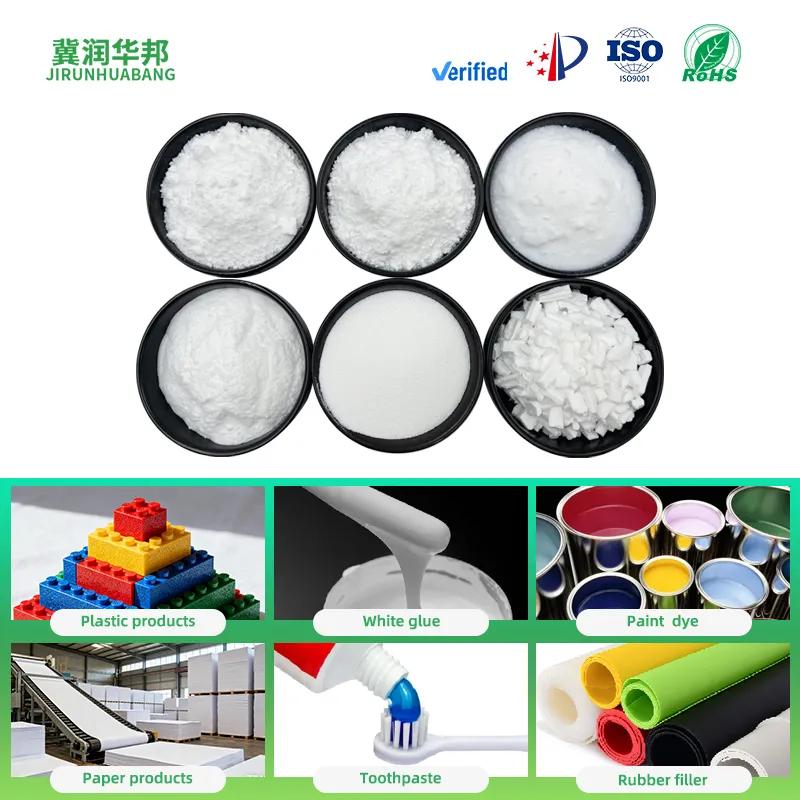
- Nano-Micro Porous Structure: It is composed of primary particles and aggregates, with a specific surface area of 145~400m²/g (different grades for different uses). The rich pore structure endows it with strong adsorption, thickening and thixotropic properties, and can form a stable interface combination with organic materials.
- Superior Chemical Stability: Insoluble in water, organic solvents and most acids (except hydrofluoric acid), soluble in caustic soda. It is non-toxic, odorless, non-flammable, and has good chemical inertness. It can maintain stable performance in harsh working environments such as high temperature and acid-base.
- Excellent Mechanical Reinforcement: It has strong adhesion and compatibility with rubber, plastic and other polymers. Adding it can significantly improve the tensile strength, tear resistance and wear resistance of products, and the 500% fixed elongation strength of rubber products can reach more than 6.3Mpa.
- High Thermal and Electrical Properties: With a melting point of 1610~1750℃, it has excellent high temperature resistance and thermal stability. It is a good electrical insulating material, and can also adjust the thermal resistance and light absorption performance of products through structural design.
- Adjustable Functional Performance: Through process optimization and surface modification (such as coupling agent treatment), its dispersion, hydrophobicity and compatibility can be adjusted to meet the customized needs of different industries, realizing the transformation from "simple filling" to "functional reinforcement".
Combined, these properties make white carbon black a multi-functional industrial additive. It not only plays the role of reinforcement, filling and thickening, but also has the functions of adsorption, anti-caking and extinction, and is the core material to improve the quality and performance of downstream products.
3. Practical Applications: The Versatile Advantages of White Carbon Black
White carbon black has a wide range of applications covering traditional manufacturing and high-tech fields, and its functional characteristics are fully exerted in rubber, tires, daily chemicals, agriculture and other industries, becoming a key material to promote industrial upgrading and product high-endization. Its key applications are as follows:
Rubber and Tire Industry – The Core Application Field
As the most important reinforcing filler for rubber products, it has become the core material of green tires, solving the performance contradiction of traditional carbon black fillers:
- Green Tires: Precipitated silica is matched with silane coupling agent, which can reduce the rolling resistance of tires by 30% and improve the wet skid resistance at the same time, making the fuel efficiency of automobiles increase by 5% and realizing energy conservation and emission reduction. It is widely used in medium and high-end car tires and new energy vehicle tires, with a filling amount of 30~60 parts.
- Rubber Products: It replaces carbon black for reinforcement of colored rubber products to meet the needs of white or translucent products; it is used as a special reinforcing agent for silicone rubber in fumed silica, which is indispensable for the production of high-performance silicone rubber products such as seals and hoses.
- Special Tires: It is applied to off-road tires, engineering tires and radial tires to improve the wear resistance and service life of tires, and the tensile strength of rubber can reach more than 17.0Mpa.
Daily Chemical Industry – Functional Additive
It is widely used in toothpaste, cosmetics and other products with its mild performance and adjustable functionality:
- Toothpaste: As a friction agent and filler, it has moderate abrasiveness, which can clean teeth without abrading the tooth surface and toothpaste tube body. It has good compatibility with fluoride and can maintain the stability of drug toothpaste properties.
- Cosmetics: As a thickener, anti-settling agent and matting agent, it is added to creams, lotions and powders to improve the texture and spreadability of products, and the nano-scale fumed silica can realize the fine and smooth effect of cosmetics.
Agricultural Chemicals – Efficient Carrier and Disintegrant
Its strong adsorption and good suspension make it an ideal additive for pesticide and fertilizer formulations:
- As a carrier and diluent for pesticides, it can improve the suspension rate of water-dispersible granules (WDG), and the recommended addition amount is about 10%.
- It has strong adhesion and chemical stability, which can make pesticides and fertilizers maintain long-term efficacy, and is not easy to lose under the conditions of rain washing and high temperature exposure.
Other Industries – Multi-Scene Functional Application
White carbon black also plays an irreplaceable role in coatings, papermaking, electronics and other fields:
- Coatings and Inks: As a matting agent, thickener and anti-settling agent, it improves the scratch resistance and film-forming performance of coatings, and the fumed silica can realize the high transparency and thixotropy of high-end inks.
- Papermaking Industry: As a filler, it can improve the whiteness, mechanical strength and ink penetration resistance of paper, realize paper lightweight and reduce production cost.
- Electronics and New Energy: Fumed silica is used in OLED electronic packaging materials and lithium battery diaphragm coatings to improve the thermal stability and insulation performance of products, which is a key material for high-end electronic manufacturing.
- Other Fields: As an anti-caking agent for fertilizers, bleaches and other powdery products, it improves the free fluidity of products; as a catalyst carrier in petrochemical industry, it provides a stable reaction surface; as a fire retardant additive, it improves the fire resistance of materials.
4. How to Select High-Quality White Carbon Black
The performance of white carbon black varies greatly with production process, technical indicators and surface modification, and its quality directly determines the performance of downstream products. When selecting white carbon black, focus on these key criteria according to application scenarios:
- Silica (SiO₂) Content: High-purity products (dry product SiO₂ ≥90%) are suitable for food, daily chemicals and high-precision manufacturing; fumed silica with purity over 99% is the first choice for high-end fields such as electronics and silicone rubber.
- Key Technical Indicators: Control the heating loss (4.0~8.0%), ignition loss (≤7.0% for dry product) and pH value (5.0~8.0) within the standard range; the DBP absorption value (2.00~3.50cm/g) determines the reinforcement and thickening performance, and the higher the value, the better the reinforcement effect.
- Particle Size and Specific Surface Area: Select the appropriate specific surface area (145~400m²/g) according to the application; the uniform particle size distribution ensures the stable dispersion and performance of the product in the matrix material.
- Processing and Modification Technology: Choose products with advanced surface modification technology (such as silane coupling agent treatment), which have better compatibility with organic materials; the precise control of the production process ensures the consistency of product performance.
- Compliance Certifications: Choose reliable suppliers with ISO 9001, RoHS, REACH and other quality and environmental certifications, especially food and daily chemical grade products need to meet the corresponding food safety standards.
As a professional white carbon black manufacturer, we adhere to strict quality control standards, and every batch of products is tested for SiO₂ content, particle size distribution, heavy metal residues and other indicators. We can provide customized products of precipitated silica and fumed silica according to the different needs of customers in various industries, to meet the personalized application requirements of different fields.
5. White Carbon Black vs. Other Fillers
Compared with traditional inorganic fillers such as carbon black, calcium carbonate and quartz sand, white carbon black has obvious performance advantages in reinforcement, functionalization and environmental protection, and forms a complementary application with other fillers in different scenarios:
- Carbon Black: Carbon black has excellent wear resistance and low cost, and is the traditional reinforcement filler for rubber tires; white carbon black can simultaneously improve the rolling resistance and wet skid resistance of tires, which is the core material of green tires, and can be used for colored rubber products, making up for the defect that carbon black is easy to color. The composite filler of white carbon black and carbon black can reduce the rolling resistance of tires by 25% and improve the wear resistance by 10%, realizing the synergistic improvement of performance.
- Calcium Carbonate: Calcium carbonate has the advantage of low cost and is a common low-end filler; white carbon black has excellent reinforcement performance, which can significantly improve the mechanical properties of products, and the modified white carbon black can realize the integration of filling and reinforcement, and is the first choice for medium and high-end products.
- Quartz Sand: Quartz sand has high hardness and is mainly used for filtration and filling; white carbon black has a nano-micro porous structure and strong adsorption and thickening properties, and its chemical activity and compatibility with organic materials are far superior to quartz sand.
The choice of filler depends on the specific application needs and cost budget. For projects that require high performance, environmental protection and functionalization (such as green tires, high-end silicone rubber, precision daily chemicals), white carbon black has an irreplaceable advantage; for low-end filling scenarios with cost as the core factor, calcium carbonate and other traditional fillers are more suitable. The composite use of multiple fillers has become a mainstream trend to balance performance and cost.
Conclusion: White Carbon Black – The Functional Core Material of Modern Industrial Upgrading
From the green transformation of the tire industry to the high-endization of daily chemical products, from the functional improvement of rubber materials to the innovation of electronic new energy materials, white carbon black, as a high-performance synthetic silica material, has become an indispensable core additive in the modern industrial system with its unique structural characteristics and customizable performance.
With the development of green manufacturing and high-end manufacturing, the demand for high-dispersion precipitated silica and low-cost fumed silica is growing rapidly. As a trusted white carbon black supplier with advanced production technology and complete product system, we provide tailor-made material solutions for rubber, tires, daily chemicals, electronics and other fields. All our products undergo rigorous performance testing and compliance verification, complying with global quality and environmental standards, and helping customers to realize the upgrading and innovation of downstream products.