Diatomaceous Earth Is A Versatile Natural Resource For Various Applications
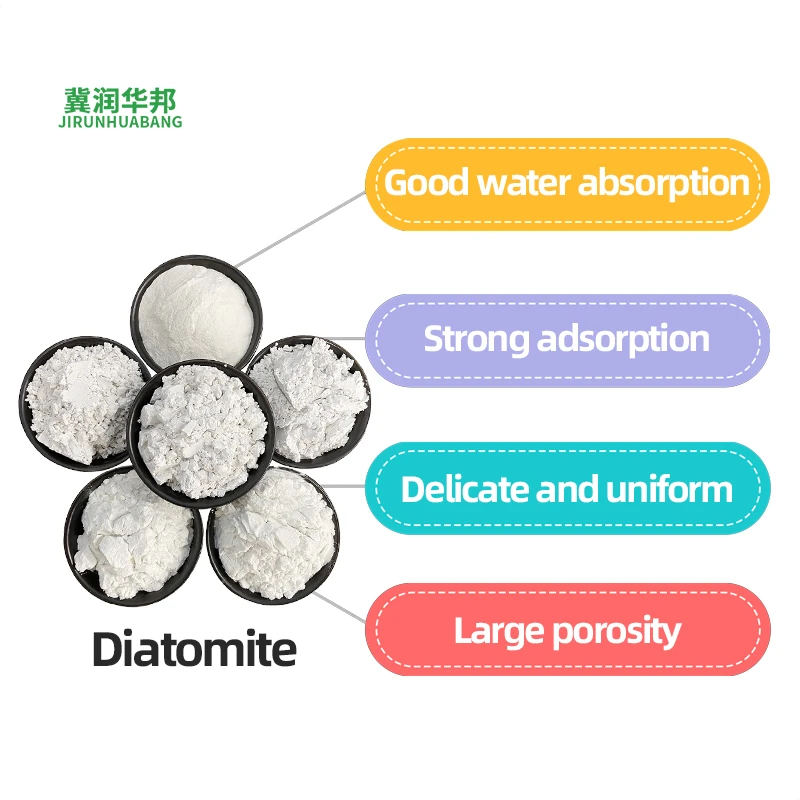
Diatomaceous earth (DE) is a naturally occurring, siliceous sedimentary rock formed from the fossilized remains of diatoms, a type of hard-shelled algae. Its versatility spans numerous industries, from filtration and pest control to absorbency and even cosmetic applications. This article delves into the properties, uses, benefits, and safety considerations of diatomaceous earth, providing a comprehensive overview for both professionals and consumers. Understanding DE allows for informed choices in its application and utilization. As mentioned, diatomaceous earth is composed of the fossilized skeletons of single-celled algae called diatoms. These microscopic organisms build cell walls made of silica, and over millennia, their remains accumulate in lakes and oceans. When these deposits dry, they form a soft, sedimentary rock that is then mined and processed. There are two main types of DE: food-grade and industrial-grade. Food-grade DE is rigorously tested for purity and is safe for human and animal consumption, whereas industrial-grade DE may contain impurities and is intended for non-consumptive applications.